
Our Wineries
An exclusive curation of the most prestigious houses. From the historic valleys of Rioja to the untamed terroirs of Ribera del Duero, each winery represents an unparalleled liquid heritage.
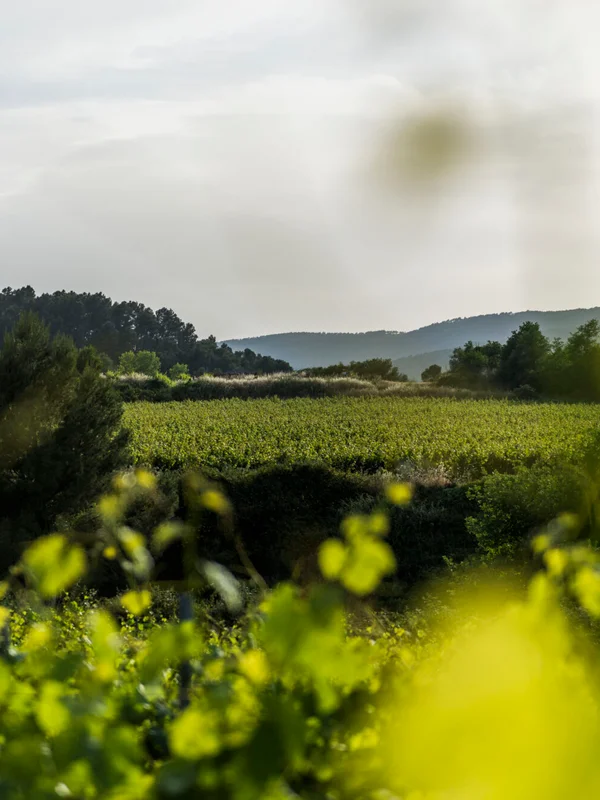
Agustí Torelló Mata
“Agustí Torelló Mata is a family winery from the Penedès area, nestled in the heart of the Cava denominación de origen, founded in 1950 by Agustí Torelló Mata himself. From the very beginning, the estate committed to artisanal winemaking and a deep connection to the land, working primarily with the indigenous varieties macabeo, xarel·lo and parellada, grown in the family's own vineyards. The winery's philosophy revolves around patience and precision: its sparkling wines undergo ageing in the cellar well beyond the minimum requirements set by the denomination, resulting in cavas of remarkable complexity, depth and finesse. Among its most celebrated creations is Kripta, a vintage Gran Reserva cava presented in an exclusive amphora-shaped bottle that has become one of the most iconic and award-winning cavas in Spain. Equally praised are Barrica, a cava aged in oak barrels during its maturation process, and the Gran Reserva Brut Nature, a benchmark wine for its elegance and vibrant freshness. Agustí Torelló Mata has been a pioneer in championing high-quality cava and promoting vintage and long-aged expressions, playing a decisive role in raising the international profile of the denomination. The winery's wines have earned numerous accolades in the world's most influential wine guides and competitions. Today, the second generation of the family carries on the same founding spirit: crafting unique, honest cavas that are deeply rooted in the terroir of the Penedès.”
Explore Collectionarrow_forward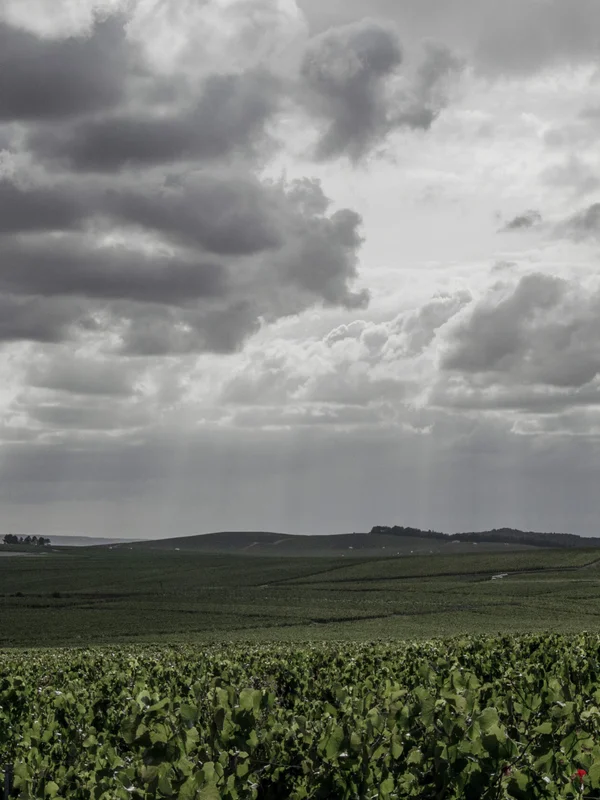
André Clouet
“Maison familiar fundada en 1741 en Bouzy, corazón de Champagne. Sus antepasados fueron impresores del Rey durante siglos, y hoy Jean-François Clouet dirige la casa desde la misma residencia que construyeron sus ancestros en el siglo XVII. Sus 9 hectáreas están catalogadas como 100% Grand Cru, donde elabora champagnes de manera artesanal con Pinot Noir de las prestigiosas laderas de Bouzy y Ambonnay. Tradición, terruño y excelencia en cada burbuja.”
Explore Collectionarrow_forward
Bodega Santa Cruz de Alpera
“Bodega Santa Cruz de Alpera is a wine cooperative based in Alpera, within the Almansa Designation of Origin in the province of Albacete, Castilla-La Mancha. Founded in 1947, the winery was established by a group of local winegrowers united by a shared commitment to showcasing the full potential of their vineyards in this distinctive corner of southeastern inland Spain. The region's continental climate — marked by hot summers, cold winters, and low rainfall — creates ideal conditions for slow, even grape ripening, resulting in wines with concentrated aromas, good structure, and excellent depth of flavour. These natural conditions, combined with high-altitude vineyards and ancient soils, give Almansa wines their characteristic personality. The winery's flagship variety is Garnacha Tintorera, the emblematic grape of the DO Almansa and one of the few varieties in the world where both the skin and the flesh are deeply pigmented. This unique characteristic translates into wines of intense colour, firm tannins, and rich notes of ripe dark fruits and spice. Alongside Garnacha Tintorera, the winery also works with Monastrell, Syrah, and Cabernet Sauvignon. With more than seven decades of history, Bodega Santa Cruz de Alpera has built a reputation for honouring local winemaking traditions while embracing modern techniques to enhance quality and consistency. The cooperative model remains central to its identity, bringing together generations of growers who share a deep connection to the land. At Mercado 46, you can discover and purchase online the wines of Bodega Santa Cruz de Alpera — an authentic expression of Almansa's terroir, crafted with dedication and a strong sense of place.”
Explore Collectionarrow_forward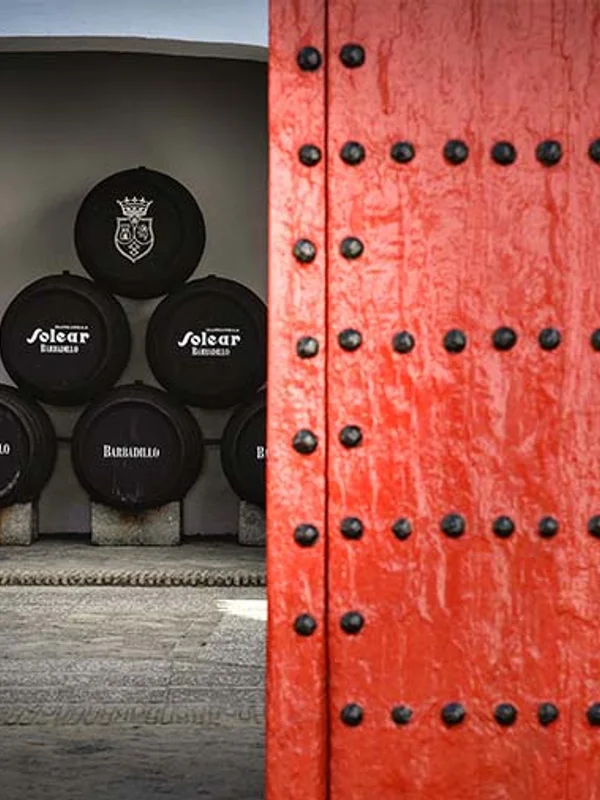
Bodegas Barbadillo
“Bodegas Barbadillo is one of the most iconic and historic wineries in Jerez de la Frontera, founded in 1821 by Benigno Barbadillo. With over two centuries of history, the winery has become an undisputed benchmark for Sherry wines and a pioneer in the revival of still white wines from the Marco de Jerez. Its most widely recognised wine is Castillo de San Diego, one of Spain's best-selling white wines for decades, crafted from the Palomino Fino grape. Yet Barbadillo's reputation extends across its full range of fortified wines: Manzanilla, Fino, Amontillado, Oloroso, Palo Cortado and Cream, all produced using the traditional criaderas y soleras system, which allows wines to undergo biological or oxidative ageing over many years — sometimes decades. Among its most acclaimed labels is Manzanilla Solear, one of the most prestigious Manzanillas from Sanlúcar de Barrameda, aged under a veil of flor yeast in cellars close to the Guadalquivir river. The winery also produces highly sought-after limited releases such as Manzanilla en Rama Solear, prized by connoisseurs for its raw freshness and unfiltered character. Barbadillo owns vineyards in Pago Balbaína and other key zones within the Marco de Jerez, working with native varieties including Palomino Fino, Pedro Ximénez and Moscatel. The winery's philosophy blends deep respect for centuries-old Jerez tradition with a commitment to innovation and the promotion of Sherry wines in both domestic and international markets. At Mercado 46, we offer a carefully curated selection of Bodegas Barbadillo wines, available to order online with delivery across Europe.”
Explore Collectionarrow_forward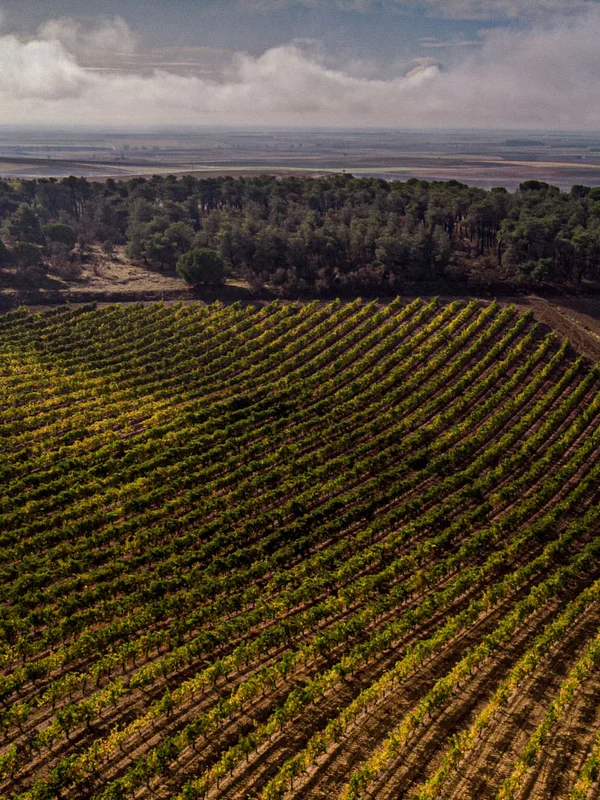
Bodegas Castelo de Medina
“Bodegas Castelo de Medina is a winery based in the Rueda Denomination of Origin, one of Spain's most celebrated white wine regions. The winery focuses primarily on the Verdejo grape, the iconic variety of the area, while also producing wines from Sauvignon Blanc and Tempranillo. Its approach is rooted in expressing the distinctive character of the Rueda terroir, defined by sandy and clay soils, significant altitude, and a marked diurnal temperature range that enhances aromatic complexity and freshness in its white wines. The winery's portfolio includes youthful, fruit-forward expressions alongside more complex selections, the result of careful vineyard management and winemaking techniques designed to highlight varietal character. Castelo de Medina's philosophy balances respect for the traditional winemaking heritage of Rueda with modern enological practices, striving to produce balanced, expressive and quality-driven wines. Its labels have received recognition in international guides and competitions, strengthening the winery's presence in both domestic and export markets. The Rueda Denomination of Origin, with its extreme continental climate and historical connection to the Verdejo variety, provides the ideal setting for Castelo de Medina to develop an authentic and distinctive voice within the Spanish wine landscape.”
Explore Collectionarrow_forward
Bodegas Cesar Florido
“Bodegas César Florido is one of the most singular and enduring references in the Jerez wine region. Founded in 1887 in Chipiona, it is the oldest winery in the town and one of the most historic in the entire area. Yet the family's connection to viticulture stretches even further back, to the 18th century, with each generation passing down the tradition uninterrupted to César Florido, the sixth generation at the helm of this independent family estate. What truly sets this winery apart is its unwavering commitment to artisanal winemaking at a time when industrial processes have reshaped much of the region's production. César Florido presses his own must from family-owned vineyards, relies on native yeasts for fermentation, and has been bottling at the winery since 1988. This meticulous, tradition-driven approach yields wines of remarkable personality, faithfully expressing the climate and heritage of Chipiona in every glass. Moscatel is, without question, the house's defining wine. The Moscatel Dorado, a benchmark for classic sweet wines of the area, offers aromas of orange blossom and jasmine with a palate where honey and raisins meet elegant structure. The Moscatel Especial incorporates arrope — must slowly reduced over heat — after fermentation, adding further layers of flavour and texture. Together with the Moscatel de Pasas, these three wines form a celebrated trilogy that has earned numerous international awards and elevated César Florido to cult status among the world's most discerning wine lovers. Beyond moscatel, the winery produces small-batch examples of the full range of wines native to the region: Fino, Manzanilla, Cream, Oloroso and Amontillado, with the latter two regarded as among the finest of their kind. All wines are protected under the Jerez-Xérès-Sherry and Manzanilla-Sanlúcar de Barrameda Denominations of Origin.”
Explore Collectionarrow_forward
Bodegas Conde de Los Andes
“In the heart of Rioja Alta, a short distance from Haro and Briones, lies a small municipality with a long winemaking history, as evidenced by its manor houses dating back to the 17th and 18th centuries. Since 2014, this winery has taken on the legacy of the former Paternina estate and the historic Conde de los Andes brand — one of the great names in Rioja winemaking and wine culture. Today, guided by the Murúa family, Bodegas Ollauri-Conde de los Andes revives a tradition that stretches back several centuries.”
Explore Collectionarrow_forward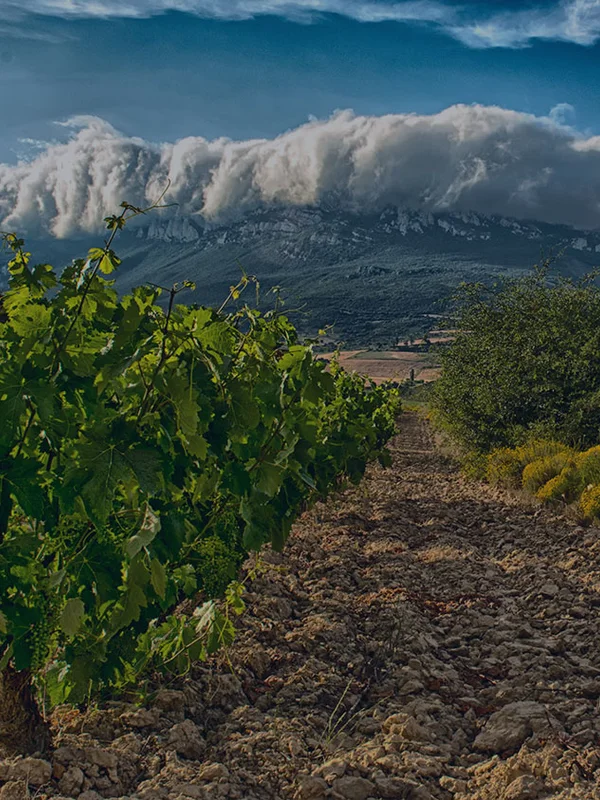
Bodegas Cosme Palacio
“Bodegas Cosme Palacio is a historic winery founded in 1894 in the heart of one of the world's most celebrated wine regions, Rioja. With over a century of winemaking heritage, the winery has seamlessly blended classic Riojan traditions with a contemporary commitment to quality and authentic expression of terroir. Rooted in the Rioja Alavesa subzone, Cosme Palacio focuses primarily on Tempranillo, the emblematic grape variety of the region, alongside other native varieties that add complexity and depth to its wines. Great attention is given to vineyard management, with old-vine plots that yield concentrated, characterful fruit with remarkable structure. Among the winery's most celebrated labels, the classic Cosme Palacio wines stand out as benchmarks of the Riojan style — beautifully balanced between ripe fruit, elegance, and well-integrated oak. Their Crianza, Reserva and Gran Reserva wines are aged in a combination of American and French oak barrels, developing nuances of vanilla, spice, and toasted notes while retaining the freshness and vitality that define great Rioja. Throughout its long history, Bodegas Cosme Palacio has evolved under different stewardships, each contributing to enrich its legacy while preserving its founding spirit. Today, the winery stands as a respected name within the Rioja Denominación de Origen, with a strong international presence and a loyal following among wine enthusiasts who value authenticity and tradition. Exploring the wines of Bodegas Cosme Palacio means discovering the very soul of classic Rioja — where time, craftsmanship, and passion are bottled into every vintage for an unforgettable tasting experience.”
Explore Collectionarrow_forward
Bodegas Enrique Mendoza
“Bodegas Enrique Mendoza is a family winery located in Alfaz del Pi, in the heart of the Alicante province, with roots stretching back to the late 1970s, when Enrique Mendoza planted his first 2,000 Moscatel de Alejandría vines for family consumption. Over the following decade, his passion for wine grew steadily until the winery was formally established as a company in 1989. Today, the project is led by his son Julián Mendoza, who continues the family legacy with the same dedication and precision. The winery's philosophy is built on the balance between tradition and innovation, with a strong commitment to environmental sustainability. Vineyards are cultivated without herbicides or insecticides, reflecting a deep respect for the Mediterranean landscape and a desire to honestly express the Alicante terroir. Operating under the D.O. Alicante designation, the winery runs two complementary facilities: the main cellar in Alfaz del Pi, home to 4.5 hectares of Moscatel de Alejandría and an ageing room with 1,400 French and American oak barrels; and Finca Chaconero in Villena, where grapes from 80 hectares of Chardonnay, Cabernet Sauvignon, Merlot, Pinot Noir, Petit Verdot, Syrah, and Monastrell are vinified with state-of-the-art technology. Enrique Mendoza was a pioneer in introducing international varieties to the region while never abandoning the native Monastrell grape, giving the range a distinctive and authentically Mediterranean character. The winery's flagship wines — Santa Rosa, Estrecho, and Shiraz — have earned outstanding recognition: the Guía Proensa 2022 awarded over 90 points to five references, with Santa Rosa 2018 reaching an exceptional 96 points. The winery has also been inducted into Grandes Pagos de España, an honour reserved for producers whose wines reflect the unique identity of a specific terroir. A true benchmark of expressive Mediterranean fine wine.”
Explore Collectionarrow_forward
Bodegas Inurrieta
“Bodegas Inurrieta was established in 1999 with the planting of its first vineyards in Falces, in the heart of the Ribera Alta area of Navarra. Yet its roots run far deeper: the Antoñana family carries over a century of winemaking heritage, and the name Inurrieta pays homage to the land where their ancestors cultivated vines nearly a hundred years ago, a tribute to the generations that came before. The winery's defining philosophy is unequivocal: be a winegrower first and a winemaker second. This translates into absolute control over raw materials, with 275 hectares of estate vineyards surrounding the winery — a unique achievement in Navarra. These vineyards lie within a microvalley crossed by the Arga river, featuring three distinct soil types at elevations ranging from 300 to 500 metres above sea level, lending the wines a complexity and character that are authentically Navarran. The grape varieties cultivated include Sauvignon Blanc, Cabernet Sauvignon, Garnacha, Graciano, Syrah and Merlot. Inurrieta is a pioneer in Navarra for Sauvignon Blanc, having introduced it on an experimental basis; it is now an authorised variety within D.O. Navarra, largely thanks to the outstanding wines the winery has produced from it. A certain transgressive spirit — an eagerness to forge new paths — runs through the entire portfolio: from the crisp Inurrieta Orchidea to the singular Laderas de Inurrieta — a 100% Graciano awarded Double Gold at the SAKURA Japan Women's Wine Awards — along with Altos de Inurrieta Reserva, Inurrieta Norte, Inurrieta Sur, Inurrieta Coral, Inurrieta Mediodía, Inurrieta Mimao, Inurrieta Puro Vicio and Inurrieta Orchidea Cuvée. The winery has earned numerous international accolades, including nine awards at the CWSA in China — four of them gold medals — and gold medals at Mundus Vini 2019, cementing its status as one of D.O. Navarra's most innovative producers.”
Explore Collectionarrow_forward
Bodegas Pago de los Capellanes
“Pago de los Capellanes is a family winery founded in 1996 by Paco Rodero and Concha Villa, located in Pedrosa de Duero in the heart of the Ribera del Duero Denominación de Origen. Its name recalls a history dating back to the 14th century, when the chaplains of the Church of Santa María del Campo received these lands as payment for their religious services, connecting the winery to an extraordinarily deep cultural and agricultural legacy. The winemaking philosophy at Pago de los Capellanes is rooted in the utmost respect for the land and tradition, with artisanal and personalised care given to each individual plot. Production is deliberately kept below the levels permitted by the Ribera del Duero Regulatory Council, ensuring exceptional quality in every vintage. The winery works exclusively with the Tinto Fino variety — Tempranillo — and produces between 800,000 and 950,000 bottles per year. Among its most celebrated wines is the Crianza, a blend from 18 different plots aged for 12 months in new oak barrels, named one of the 100 best wines in the world by the prestigious Wine & Spirits magazine, which also ranked the winery among the 100 best wineries in the world. The Parcela El Nogal, sourced from six hectares of sandy-loam soils, delivers an opulent and enveloping style, while Parcela El Picón is regarded as the estate's wine with the greatest bottle-ageing potential. Additionally, their wine «Un Sueño en las Alturas 2020» was awarded best red wine of the year at the Premios Alimentos de España. In 2014, the family expanded their winemaking project with the launch of the O Luar do Sil brand in the Valdeorras Denominación de Origen, specialising in white wines made from Godello, with their own winery in Larouco operational since 2016.”
Explore Collectionarrow_forward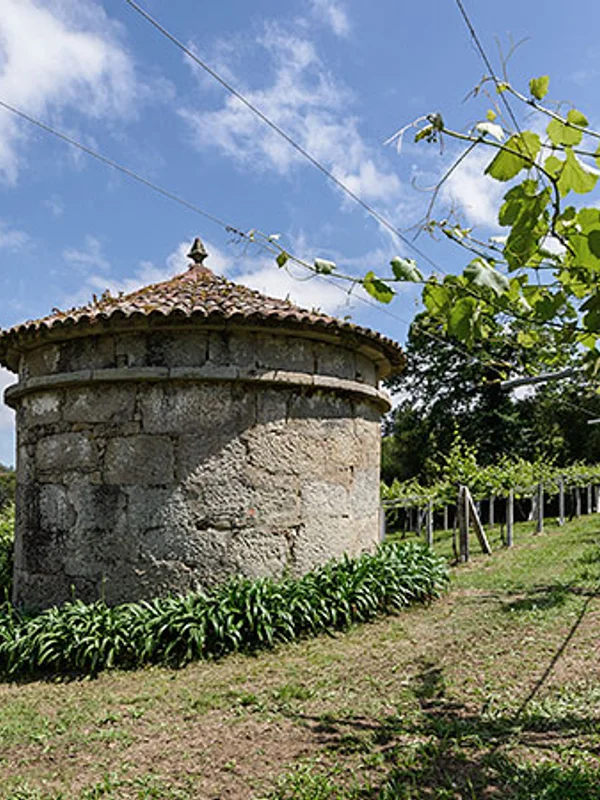
Bodegas Pazo de Señorans
“Pazo de Señorans is one of the benchmark wineries of the Rías Baixas Denominación de Origen, located in the village of Meis, in the Salnés subzone of Pontevedra, Galicia. The estate was acquired in 1979 by Marisol Bueno and Javier Mareque and includes a fully restored 14th-century manor house and 12 hectares of vineyards, many of them trained on the traditional Galician pergola system. Commercial winemaking began in 1989 with the first bottled vintage released to the public in 1990. The winery's philosophy is built on absolute respect for the Albariño variety, producing wines with a distinct varietal character that faithfully expresses the identity and potential of this noble Atlantic grape. Marisol Bueno's curiosity about the aging potential of Albariño led her, in 1995, to create the winery's flagship: Pazo de Señorans Selección de Añada, a white wine for aging that undergoes extended lees aging in stainless steel tanks for 30 months or more, achieving exceptional structure, complexity, and finesse. This wine was named Best White Wine in Spain by the International Wine Challenge and received 93 points from Robert Parker's The Wine Advocate. The winery also produces the Pazo Señorans, a consistent entry-level Albariño with approximately 300,000 bottles per year and one of the most reliable labels in the appellation; Pazo Señorans Colección; Sol de Señorans; Novembro; and Tras los Muros, a barrel-fermented Albariño crafted by Berta García, daughter-in-law of the founder, who trained with legendary producers in Bordeaux and Burgundy. Marisol Bueno served as president of the Rías Baixas D.O. for twenty-one years, from 1986 to 2007, leaving an indelible mark on the region. Today, the winery remains entirely independent and family-owned, with the second generation — the four children of the founding couple — actively involved in the project.”
Explore Collectionarrow_forward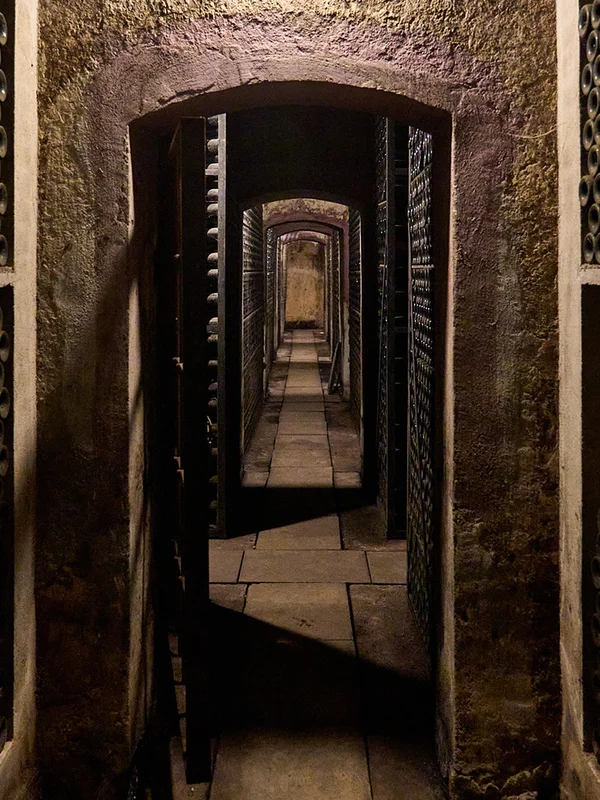
Bodegas Pirineos
“Bodegas Pirineos stands as one of the cornerstones of the Somontano Protected Designation of Origin, nestled in the heart of the Aragonese Pyrenees. Its history traces back to 1964, when the Cooperativa Comarcal de Somontano del Sobrarbe brought together the region's winegrowers and laid the foundations of what would become this prestigious appellation. The winery itself was formally established in 1993, inheriting that cooperative legacy and channelling it into a new era of winemaking excellence. In 2007, Grupo Barbadillo acquired 76% of its shares, integrating Bodegas Pirineos into one of Spain's most robust wine groups while preserving its deep-rooted connection to the land. Today, Bodegas Pirineos accounts for approximately 20% of total D.O. Somontano production, managing over 700 hectares of vineyards spread across 700 plots in 15 different villages, with more than 200 grape growers contributing to the project. This remarkable territorial presence allows the winery to work with both internationally renowned varieties such as Merlot, Cabernet Sauvignon, Chardonnay and Gewürztraminer, and indigenous grapes of great enological value like Moristel, the emblematic variety that defines Somontano's singular identity. Among its most celebrated ranges are Señorío de Lazán, regarded as one of the founding wines of the region; Alquézar; Marboré; and the 3404 range, which includes a white from Chardonnay and Gewürztraminer, a rosé from Tempranillo and Cabernet, and a red and a crianza crafted from Cabernet, Merlot, Garnacha and Moristel with twelve months of barrel ageing. Its wines have earned top international recognition: Gold Medal at Mundus Vini 2020 for the 3404 Tinto, 90 points in the Guía Peñín 2021 for the Chardonnay and Gewürztraminer single-varietal whites, and Gold Medal at Chardonnays du Monde for the 2022 vintage. The winery also holds the RSA certification for Social Responsibility in Aragon, renewed annually since 2021, reflecting its firm commitment to sustainability and future generations.”
Explore Collectionarrow_forward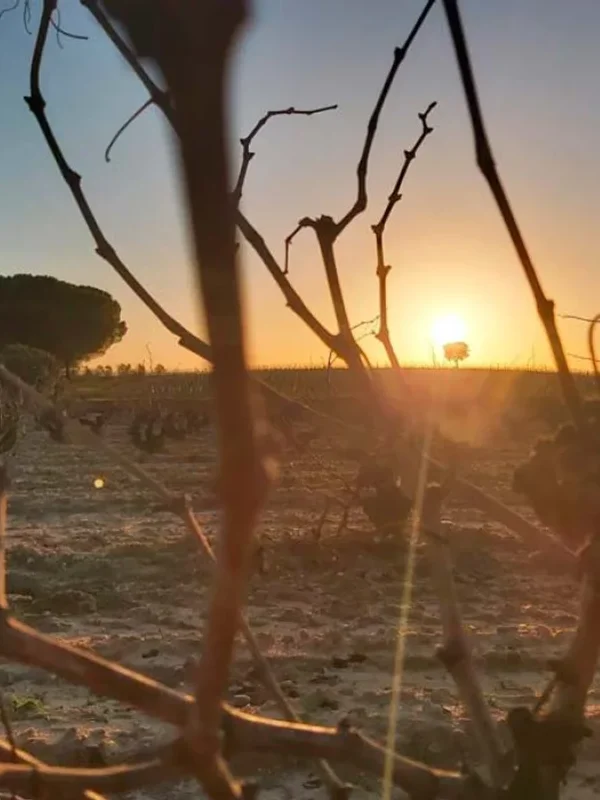
Bodegas Ricardo Dumas
“Ricardo Dumas is the commercial wine brand of Bodega Virgen de la Asunción, one of the twelve founding wineries of the Ribera del Duero Denomination of Origin in 1957. Its history, however, stretches back even further: in 1908, two French monks recognised the exceptional potential of the land in La Horra and planted the first vineyards. Some of those vines have survived to this day as pre-phylloxera old vines — true viticultural treasures that form the soul of the winery's most prestigious range. The winemaking philosophy at Ricardo Dumas is rooted in a conviction passed down through generations: the secret of a great wine lies in the raw material. Good soil, a privileged climate, and meticulous care of the vineyard throughout the year are the pillars upon which every bottle is built. This deep connection with the natural environment of Ribera del Duero allows the winery to craft wines of unique personality — profound, complex, and unmistakably expressive. The range spans from the vibrant Roble, made from Tempranillo sourced from vines between 20 and 40 years old, to the prestigious Gran Reserva, produced from vines over 60 years of age and aged for at least 12 months in new French and American oak barrels, followed by a minimum of two years in bottle. The Crianza, also from vineyards up to 60 years old, and the Reserva and Selección, aged for more than 16 months in barrel, complete an impressive lineup of red wines. The winery also produces a singular 100% Albillo Mayor white wine from old vines and a Rosado, showcasing the full versatility of its production. Among its international accolades, Ricardo Dumas received a gold medal at the prestigious Zarcillo Awards 2021 for its 2018 vintage Crianza, one of the most respected wine competitions in Spain.”
Explore Collectionarrow_forward
Bodegas Vega Sicilia y Bod. Alión
“Bodegas Vega Sicilia stands as one of the most legendary names in Spanish wine, with origins dating back to 1864, when Eloy Lecanda founded the estate in Valbuena de Duero, within the Ribera del Duero Denominación de Origen (province of Valladolid, Castilla y León). Lecanda introduced prestigious French varieties that coexisted with the local tempranillo — then known as tinto aragonés — laying the foundation for a truly singular style. The Herrero family took ownership in 1890, and in 1982 the Álvarez family acquired the estate, propelling the group to international acclaim. The philosophy of Vega Sicilia is built on a demanding premise: the finest wine is always the one yet to be made. This relentless pursuit of excellence translates into an extraordinary patience in winemaking, with extended ageing in barrel and bottle that can span decades depending on the vintage. The flagship wine, Único, is released with ten years of ageing and has proven an unparalleled capacity for cellaring, placing it among the world's greatest wines. The Único Reserva Especial, a blend of three different vintages, represents the rarest and most sought-after expression from the estate. In 1986, the Álvarez family conceived a distinct project within the same group: Bodegas Alión, also in Ribera del Duero, whose first vintage reached the market in 1995. Alión embodies a more contemporary vision — more approachable in style, with shorter ageing, and distanced from the classicism of the parent winery. Its debut vintage earned a place in Wine Spectator's Top 100, and it has achieved scores of 96 Parker points and 95 points in the Peñín Guide. Today, the Vega Sicilia Group also encompasses Bodegas Pintia (Toro), Benjamin de Rothschild & Vega Sicilia, and Tokaj-Oremus (Hungary), cementing its position as one of Spain's most prestigious and financially robust wine groups.”
Explore Collectionarrow_forward
Bodegas Villanueva
“Bodegas Villanueva was founded in September 1961 by Obdulio Villanueva Blanco, who began selling wine to his neighbours and close acquaintances in the Galician region. What started as a modest family endeavour has grown, over more than six decades, into one of the most respected winery groups in northwestern Spain. Today, the business is managed by the third generation of the Villanueva family, who have led a significant process of structural and functional transformation to meet evolving market trends and consumer demands. The group operates two estate wineries that anchor its production across several prestigious appellations. Pazo As Barreiras, located in the upper reaches of Salvaterra de Miño near the Miño River, is a 17th-century manor house converted into a winery with meticulous respect for its original architecture and ornamental details. From this estate, wines bearing the D.O. Rías Baixas designation are crafted from a ten-hectare vineyard planted on the ancient riverbed of the Miño, a fertile, clay-rich soil composed of silt and rounded river stones. The second estate, Bodegas Villanueva Senra, is situated in Castrelo de Miño in the province of Ourense, producing wines under the D.O. Ribeiro. In total, the group works across five denominations of origin: Rías Baixas, Ribeiro, Valdeorras, Rioja, and Ribera del Duero. The winery's philosophy centres on the utmost care for raw materials, with a particular focus on the albariño grape, the undisputed star of their portfolio. Their single-varietal albariño whites — light in alcohol and unoaked — are their most celebrated expressions. Godello and treixadura, two characterful Atlantic white varieties, also feature prominently. Their portfolio spans brands such as Villanueva, Pazo As Barreiras, Señorío de Lazoiro, Viña Senra, Rietos, Prios Maximus, and Centum, reflecting the breadth and diversity of their terroirs and appellations.”
Explore Collectionarrow_forward
Bodegas de Aylés
“Pago de Aylés is a family-owned winery located in Aylés, Aragon, with a history stretching back to the 12th century, when Cistercian monks began cultivating these lands after receiving them from Alfonso II in 1165. For five centuries, the estate passed through the hands of the Aragonese nobility, with Blasco Fernández de Heredia being the first secular owner. In 1994, the Ramón family acquired and reunified these historic lands, launching an ambitious agri-food project that would transform Pago de Aylés into one of the three largest historic private estates in Aragon, spanning over 3,100 hectares. The winery was inaugurated in 2000, equipped with more than 500 barrels, predominantly French oak. In October 2010, Pago de Aylés was officially recognised as a Vino de Pago, becoming the first Vino de Pago in Aragon and one of the few in Spain to hold this exclusive Denomination of Origin — considered the highest level of quality a Spanish winery can achieve. The estate also produces wines under the DOP Cariñena designation, including the Aldeya and Demba ranges. The winery's philosophy centres on the pursuit of viticultural excellence from vineyard to bottle. They practise sustainable viticulture, currently in the process of organic certification, with yields carefully restricted to 34 hectolitres per hectare. Harvesting takes place at night to preserve the terroir and the full aromatic potential of the grapes. Among the most celebrated wines is «S» de Aylés, a single-varietal Garnacha that was awarded Best Wine of Spain in 2018. Equally remarkable is «L» de Pago, the only rosé Vino de Pago in Spain. The estate also crafts parcel-specific wines such as Senda de Leñadores. Its environmental stewardship has led the European Union to include the estate in the Natura 2000 network as a Special Protection Area for Birds.”
Explore Collectionarrow_forward
Bouza de Carril
“Bouza de Carril is a family winery with deep roots in the Salnés Valley, the viticultural heart of the Rías Baixas Denominación de Origen. Founded in 1974 by Luis Rodríguez Balsa and Elisa Carril, following several generations of grape growers and winemakers in the family, the winery was built on a determined and visionary commitment to the Albariño grape as its defining variety. Located in Barrantes, in the municipality of Ribadumia in the province of Pontevedra, Bouza de Carril benefits from an exceptional terroir. Its vineyards stretch across the hillsides of the Salnés Valley, with vines averaging 40 years of age that enjoy up to eight hours of Atlantic sunlight per day. This privileged environment, where the oceanic climate imparts freshness and mineral character to the grapes, forms the very foundation of the winery's identity. The philosophy at Bouza de Carril rests on a carefully maintained balance between artisanal tradition and modern technology. Every stage of the production process is rigorously monitored to ensure maximum quality, from the harvest — carried out in mid-September with meticulous selection of bunches at their optimal ripeness — through to the final bottling. The flagship wine is a 100% Albariño monovarietal that faithfully expresses the character of the Salnés Valley. With an alcohol content of 13% Vol., it offers an intense and exuberant nose of mandarin, melon, and yellow flowers. On the palate, the entry is soft and enveloping, with the characteristic Atlantic freshness, a retro-nasal that evokes ripe fruit, and a long, structured finish that leaves a lasting impression on even the most discerning wine lovers. Bouza de Carril has grown year after year in quality and recognition, establishing itself as a benchmark within the Rías Baixas Denominación de Origen. The winery holds the Q de Calidad Turística, S de Sostenibilidad Turística, and SICTED distinctions, endorsing both the excellence of its wines and its commitment to an outstanding visitor experience.”
Explore Collectionarrow_forward
Buen Camino
“Bodega Buen Camino is a family winery with deep roots in Tórtoles de Esgueva, in the heart of Burgos, within the Ribera del Duero Denominación de Origen. Its story dates back to 1887, when grandfather Feliciano first crafted wine in the old family house, laying the foundation for a tradition that today is carried forward by Javier Vallejo and his two sons, Jorge and Javi. They have expanded the winery's facilities while preserving the artisanal spirit that has always defined it. One of Buen Camino's most distinctive features is the location of its vineyards: the most northerly in the entire appellation. Spread across 18 hectares around Tórtoles de Esgueva, this extreme terroir is shaped by poor, stony, limestone-based soils, slopes with varying sun exposures, clay-sandy gradients, and a plateau at 950 metres above sea level, all subject to persistent winds that lend the wines a unique and unmistakable character. The winery operates under certified organic viticulture, committed to manual processes and limited productions that faithfully reflect the character of each plot. The main variety is Tempranillo, complemented by Garnacha and Albillo, with a minimal-intervention philosophy aimed at preserving the genuine aromatic expression of the terroir. Among its most notable wines, Buen Camino is crafted from the finest grapes selected across the different vineyards, featuring cold pre-fermentation maceration and ageing in French and American oak barrels. Guademeya is the winery's most exclusive offering, sourced from the most north-westerly plot in the entire DO, fermented in small vats and aged in new French oak barrels. Buen Camino Noroeste, meanwhile, is the freshest wine in the range, with a light barrel ageing that highlights the fruit and the altitude of the terroir. Buen Camino is a winery deeply committed to wine culture and rural life, producing signature wines that honestly express the soul of one of Ribera del Duero's most singular corners.”
Explore Collectionarrow_forward
Casajús
“Bodegas Casajús is an independent family winery located in Quintana del Pidio, in the heart of the Ribera del Duero Denominación de Origen, in the province of Burgos, Spain. Its history stretches back several generations: the grandparents of José Alberto Calvo Casajús and his wife Leonor planted their vineyards in 1920, establishing a viticultural legacy that remains the foundation of the estate today. It was not until 1993 that José Alberto Calvo Casajús formally founded Bodegas J.A. Calvo Casajús, bringing to life a project that harmoniously combines family tradition with modern winemaking techniques. The winemaking philosophy at Casajús is rooted in an artisanal approach and deep respect for terroir. José Alberto champions traditional viticulture as a starting point, seeking to identify and preserve the unique characteristics of the place of origin. The winery tends twenty hectares of vineyards, primarily planted with the native Tinta del País variety, with vines over fifty years old, imparting genuine complexity and territorial expression to the wines. Despite being equipped with state-of-the-art technology, a family spirit permeates every stage of the production process. Among its most celebrated wines stands NIC, the winery's flagship, whose production began in 2004. The name is an acronym of the names of José Alberto's children, Nicolás and Catalina, and represents the ultimate expression of the estate. The NIC 2009 was awarded 97 points by Robert Parker's The Wine Advocate, while Casajús Viñedos Antiguos received 95 points. In 2013, the winery earned the highest scores in Ribera del Duero awarded by British critic Neal Martin in that same publication. The Casajús range includes labels such as Barrica 6 Meses, Crianza, Reserva, Finca Doña Len, Valdipio, Splendor Rosado, Blanco, Vendimia Seleccionada, and Antiguos Viñedos, reflecting the richness and diversity of a family project with true international standing.”
Explore Collectionarrow_forward
Champagne Deutz
“Champagne Deutz is one of Champagne's most distinguished houses, founded in 1838 in Aÿ by William Deutz and Pierre-Hubert Geldermann. Combining their complementary expertise — William was already active in the Champagne trade while Pierre-Hubert was an established wine merchant — the house initially focused on exports to Germany before gradually investing in some of the region's finest vineyards and gaining full control over its own production. Throughout the nineteenth century, Deutz grew steadily to become a founding member of the Syndicat des Grandes Marques. In 1983 the house was acquired by the Rouzaud family, who also own Louis Roederer, and it was fully integrated into the group in 1993. Nevertheless, Deutz continues to operate with complete independence, preserving its own distinct identity and style. The house's winemaking philosophy is built on elegance, balance and finesse. Vinification is entirely traditional, with no influence of oak, prioritising aromatic purity and freshness. To achieve this, 80% of the grapes are sourced from Premier Cru and Grand Cru villages. Deutz's enviable 42-hectare estate spans some of Champagne's most iconic terroirs, including the celebrated Côte des Blancs, and the wines age for many years in three kilometres of underground chalk cellars situated between 20 and 60 metres beneath the slopes of Aÿ. The Deutz range extends from the approachable Brut Classic to exceptional prestige cuvées. The Blanc de Blancs Millésimé, crafted from 70% Grand Cru and 30% Premier Cru terroirs, stands out for its purity and delicately structured body. The flagship Cuvée William Deutz — a tribute to the founder — is always a vintage release, Pinot Noir-driven and highly expressive with beautiful aromatic richness. The prestige tier is completed by L'Amour de Deutz in both Blanc de Blancs (93/100 Wine Enthusiast) and Rosé (95/100 Wine Enthusiast) expressions. Robert Parker of the Wine Advocate declared he was greatly impressed by the Deutz wines he tasted, a testament to this great Champagne house's international standing.”
Explore Collectionarrow_forward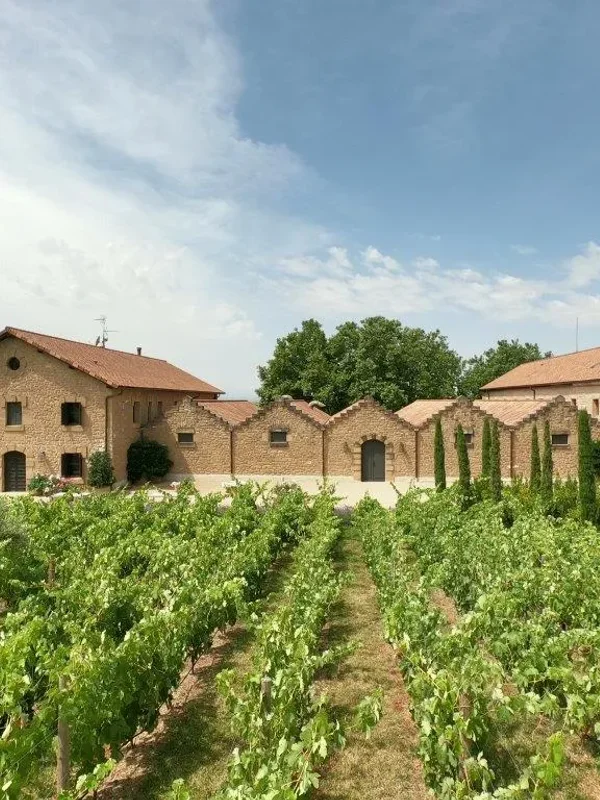
Colección La Poda
“Colección La Poda is an avant-garde wine collection presented by Grupo Bodegas Palacio 1894, one of the top twenty wine groups in Spain with over 125 years of experience in the ageing and production of high-quality wines. The collection was officially launched in Madrid on 19 February 2018 and originates within Bodegas y Viñedos Anzil, located in the Denominación de Origen Toro, one of the four wineries that make up Grupo Bodegas Palacio 1894. Behind La Poda stands Almudena Alberca, technical director of Bodegas Viña Mayor and the first Spanish woman to obtain the prestigious Master of Wine title — a guarantee of rigour and excellence that permeates every reference in the collection. The philosophy of Colección La Poda pays tribute to the art of viticulture. The name itself evokes that fundamental vineyard task: rigorous pruning and careful selection in the field are the tools used to obtain exceptional quality clusters for crafting honest, expressive wines. The grapes come from selected vineyards where a continental climate and stony soils contribute to the concentration and typicity of each variety. The collection spans four distinct denominations of origin — Rías Baixas, Rueda, Ribera del Duero and Toro — and comprises four monovarietal references: La Poda Albariño, La Poda Sauvignon Blanc, La Poda Tempranillo and La Poda Tinta de Toro. The latter, crafted from Tinta de Toro sourced from estate vineyards over 40 years old, faithfully expresses the typicity of the variety and the strong, characterful territory of Toro. Aged for between 4 and 6 months in barrel, it achieves a fine balance between elegance, fruit and varietal expression, resulting in a rich, spiced and vibrant red wine. Grupo Bodegas Palacio 1894 manages over 930 hectares of vineyards and produces 15 million bottles annually, of which 40% is exported to international markets, earning widespread recognition from national and international critics alike.”
Explore Collectionarrow_forward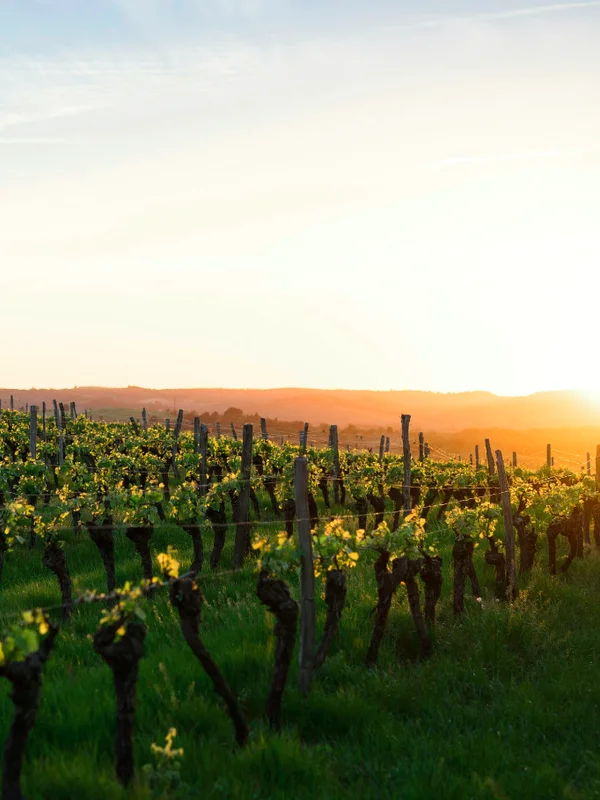
Contemporary Wines AB
“Contemporary Wines AB is an innovative Swedish wine house founded in 2011 by Fredrik Gustafsson, Philip Sane and Carl-Johan Gadd. Registered on 22 December of that year as a Swedish limited company under organisation number 556878-4200, the company has set itself apart from the traditional wine world by embracing a thoroughly modern business model. Rather than operating as a conventional winery, Contemporary Wines functions as a vinhus — a Scandinavian concept for a wine house — that owns and manages its own registered brands from start to finish. Its team travels to leading European wine regions, including Provence, Côtes de Provence, Côtes du Rhône, Piedmont, Veneto, Tuscany and Bordeaux, in search of outstanding wines and producers. Once selections are made, the wines are rigorously tested with focus groups, given attractive and contemporary label designs, and launched to market under fully owned proprietary brands. This philosophy blends traditional winemaking techniques with modern innovation, with the aim of exceeding the expectations of the most demanding wine enthusiasts. Distribution takes place primarily through Systembolaget, Sweden's state-controlled alcohol retail monopoly, as well as through a curated selection of Swedish restaurants and cross-border trade. Contemporary Wines boasts around 350 shareholders, reflecting the strong interest its model has generated in the Scandinavian market. In January 2022, the company announced its intention to list on the stock exchange during the spring of that year, though the move was ultimately postponed due to deteriorating market conditions. Despite this setback, the company remains a benchmark for innovation and forward-thinking vision within the Nordic wine sector.”
Explore Collectionarrow_forward
Covides
“Covides Viñedos y Bodegas was founded in 1963 through the collective vision of more than 600 winegrowers in the Penedès region, who joined forces to produce quality wines cooperatively, leaving behind domestic winemaking and animal traction in favour of mechanisation and modern techniques. Today, with around 650 active members cultivating approximately 1,900 hectares spread across more than 50 municipalities in Alt and Baix Penedès and Garraf, Covides has established itself as the leading first-degree wine cooperative in Catalonia by volume, with an annual harvest of around 24 million kilograms of grapes. The winery operates two main facilities —in Sant Cugat Sesgarrigues and Sant Sadurní d'Anoia— and a state-of-the-art cellar expanded in 2005 with a capacity of 7.5 million bottles. The winemaking philosophy centres on sustainability, respect for the vineyard and a passion for excellence: only free-run juice from the first pressing fraction —known as «mosto flor»— is used, alongside pneumatic presses, stainless steel tanks, temperature-controlled fermentation, skin maceration and continuous cold stabilisation. The key varieties are the native Catalan grapes Macabeo, Xarel·lo and Parellada, complemented by Chardonnay for whites and cavas, and Tempranillo, Merlot and Cabernet Sauvignon for reds. The rosé cava is crafted exclusively from Trepat, a grape variety indigenous to Catalonia. All wines and cavas fall under the Penedès and Cava Denominations of Origin. Among its most notable ranges is Duc de Foix, a premium line with an elegant, timeless Mediterranean design, alongside a collection inspired by the Castellers —the human towers of Catalan tradition— symbolising teamwork as the cornerstone of great wine. Some 25% of total production is bottled, 65% of which is exported to around 30 countries. Covides wines and cavas have earned recognition at prestigious international competitions including the International Wine Challenge, the Decanter World Wine Awards and the China Wine and Spirits Awards.”
Explore Collectionarrow_forward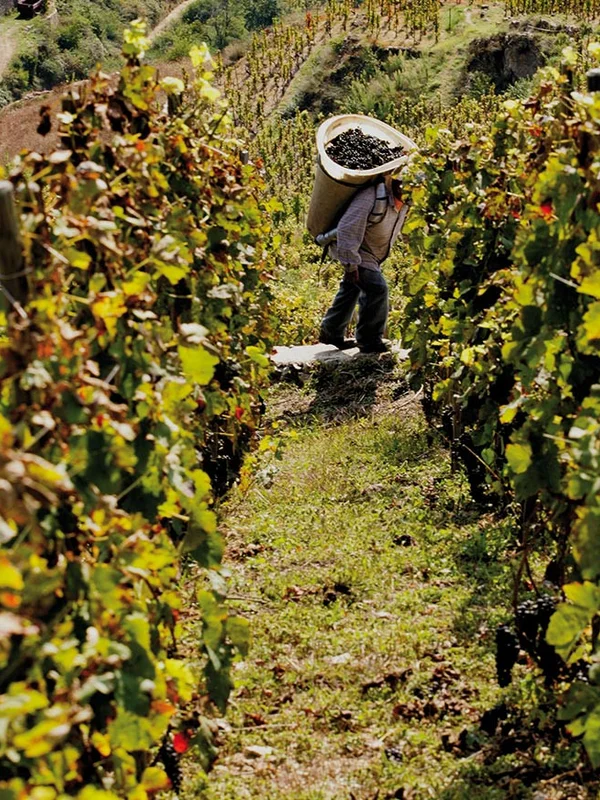
Domaine Saint-Étienne (M. Chapoutier)
“Domaine Saint-Étienne is an estate integrated into the Maison M. Chapoutier, one of the most prestigious wine houses in the Rhône Valley and the world. The history of M. Chapoutier dates back to 1808, when 'Calvet et Compagnie' was established in Tain, at the heart of the northern Rhône. Eight generations of the family have shaped an independent winery of deeply artisanal character, presided over since 1990 by Michel Chapoutier, a revolutionary figure in contemporary French wine. Domaine Saint-Étienne was acquired by M. Chapoutier at the end of August 2018, in Montfrin, a village in the Gard department in the southern Rhône Valley. The vineyard had already undergone conversion to organic farming at the time of acquisition, fitting naturally with the Maison's philosophy. Since 2018, the domaine has been producing wines under the appellations Côtes-du-Rhône, Côtes-du-Rhône Villages, Costières de Nîmes, and Pays d'Oc. The philosophy that distinguishes M. Chapoutier — and by extension Domaine Saint-Étienne — is biodynamic viticulture. Michel Chapoutier began this radical transition in 1991, with the goal of allowing the terroir to express itself with complete freedom, respecting its natural cycles and balances. The first biodynamically certified vintage arrived in 1999, marking a milestone in the winery's history. Among the most representative wines is the Domaine Saint-Étienne Univers M. Chapoutier Garrigue, a red wine from Côtes du Rhône displaying floral notes of jasmine and violet, aromas of garrigue and liquorice, with a fresh and fruity attack evoking wild berries and grenadine. M. Chapoutier is the most awarded winery in the world with 100 Robert Parker points, accumulating 54 labels with the maximum score. The house was also a pioneer in accessibility, introducing Braille on its wine labels in 1994.”
Explore Collectionarrow_forward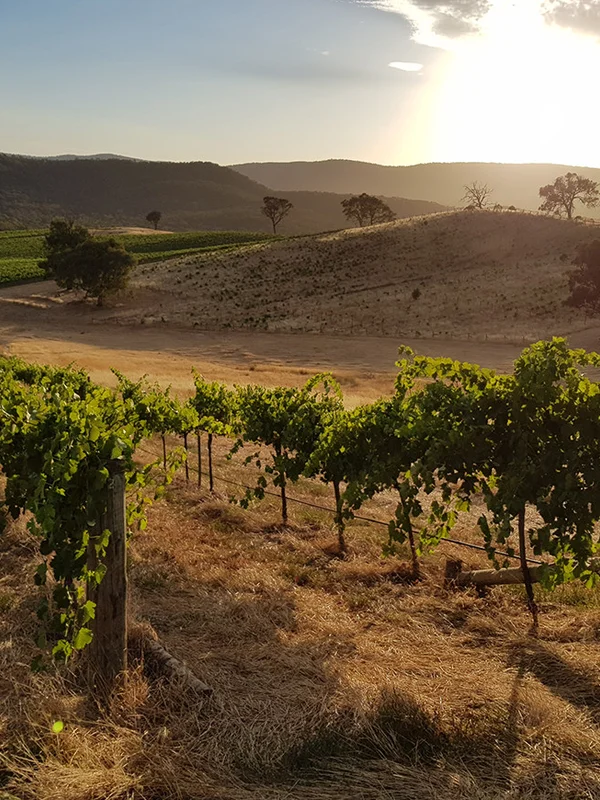
Domaine Schieferkopf (M. Chapoutier)
“Domaine Schieferkopf was established in 2009 when Michel Chapoutier, the celebrated vigneron from the Rhône Valley, set his sights on Alsace with the ambition of crafting great rieslings. Together with four like-minded friends, he acquired 8 hectares of vineyards in the commune of Bernardvillé, planted on the only seam of blue schist in the entire Alsace region. The first bottles did not reach the market until 2011, marking the official debut of the domaine's wines. The name Schieferkopf, meaning 'slate roof', speaks directly to the exceptional terroir that defines these wines. The blue schist soils, complemented by touches of sandstone, are cultivated on steep and demanding hillsides, imparting a distinctive mineral character and refined elegance to every wine produced. The estate works exclusively under organic farming, fully aligned with the philosophy of Maison M. Chapoutier, a pioneer in biodynamic viticulture and a steadfast advocate for expressing the full potential of each terroir. The domaine's range is anchored by Riesling, with five wines including three single-vineyard parcel selections. Its most emblematic cuvées include the Riesling Lieu-dit Berg, Pinot Gris Schieferkopf, and Gewurztraminer, all distinguished by their freshness, elegance, and terroir-driven character. Beyond Alsace, the domaine also produces wines from exceptional vineyard sites in the German regions of Baden, Franken, and Pfalz. Domaine Schieferkopf is part of the M. Chapoutier group, a family-owned maison with roots in the Rhône Valley dating back to 1808 and holder of a world record for 100/100 scores awarded by critic Robert Parker. Its recognition as a new entry in the Bettane et Desseauve Guide further confirms the international standing of this outstanding Alsatian project.”
Explore Collectionarrow_forward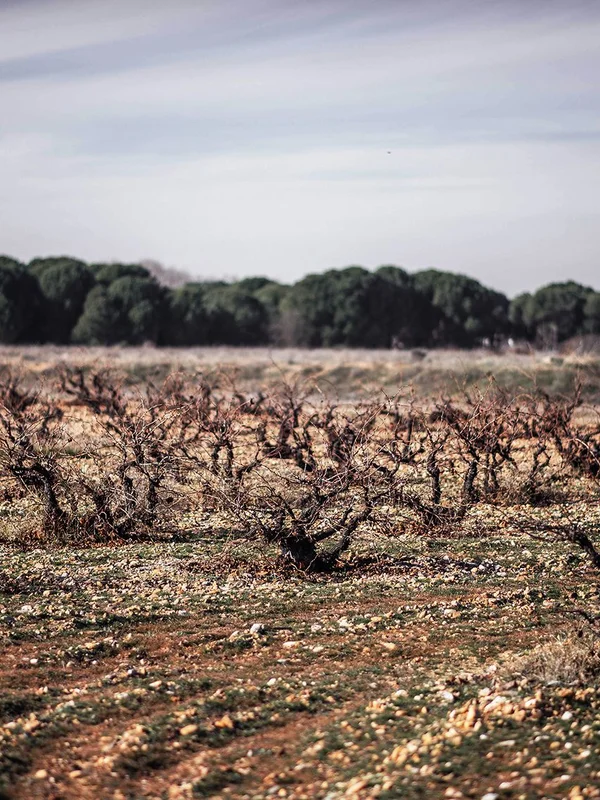
Dominio del Bendito
“Dominio del Bendito is an independent winery established in 2004 within the Toro Denominación de Origen (Zamora, Spain), born from the passion of French winemaker and viticulturist Antony Terryn, with the support of his own family and the Schuller family. Terryn arrived in the region in 2003, introduced by his fellow Frenchman Jean François Hébrard, winemaker at Quinta Quietud, who encouraged him to settle in this exceptional land. The name "Bendito" — meaning blessed or happy in Spanish — perfectly encapsulates his personal journey of discovery. From the outset, Antony conceived his Dominio as a palette of terroirs: he carefully acquired small plots in one of the finest pagos in Toro and indeed all of Spain, La Jara, with the goal of composing his wines much like a painter before a canvas, always seeking to express the truest character of the land. Today the estate encompasses 21 hectares of Tinta de Toro, 80% of which are over 85 years old, including vines planted in the 19th century before the phylloxera outbreak. In terms of winemaking philosophy, the estate has practised organic viticulture from the very beginning, using traditional techniques, minimal sulphur and plant extracts, without enzymes or technological corrections. They draw inspiration from biodynamic practices they find meaningful, always prioritising vineyard balance and the authentic expression of Tinta de Toro. Among their most acclaimed wines are El Titán and Las Sabias, sourced from century-old vines and regarded as benchmarks for the region; Primer Paso, a superb introduction to Toro — powerful yet with a rustic, earthy character; and the rosé Perlarena, crafted from Tinta de Toro, Syrah and Verdejo, offering fresh and aromatic notes of raspberry, mandarin, grapefruit and anise. The winery produces between 60,000 and 70,000 bottles per vintage, standing among the most profound and elegant red wines of D.O. Toro.”
Explore Collectionarrow_forward
Ferraton Père & Fils
“Ferraton Père & Fils is a historic wine estate founded in 1946 by Jean Örens Ferraton in the heart of Tain l'Hermitage, in the Northern Rhône Valley. Its humble origins began with a plot of just 0.3 hectares in Hermitage, from which the family patiently built a project of great prestige. In the late 1960s, Michel Ferraton expanded the domaine's vineyards within the Hermitage appellation, consolidating the estate's reputation. In the 1990s, the family partnership was formalised under the name Ferraton Père & Fils, and in 1998 a decisive milestone occurred: an alliance with Michel Chapoutier, who provided technical expertise and financial support to undertake the transition to organic and, subsequently, biodynamic viticulture. In 2004, Chapoutier acquired the company in full, though the estate continues to operate independently under the direction of Samuel Ferraton, preserving its own identity and philosophy. Biodynamics is the soul of Ferraton Père & Fils. All the domaine's vineyards are managed in harmony with lunar rhythms and natural cycles, without synthetic chemicals, with the aim of preserving soil vitality and faithfully expressing the terroir of each individual parcel. Syrah is the signature variety of their reds, offering aromas of dark fruit, violet, spices and leather, with elegant tannins and an extraordinary ageing potential. Their whites, crafted from Marsanne and Roussanne, combine floral notes, minerality and richness. Among their most acclaimed cuvées are the Hermitage "Le Méal", produced from old-vine Syrah on steep granitic hillside soils, the Crozes-Hermitage "La Matinière" and the Saint-Joseph Blanc "La Source". The estate produces wines across prestigious appellations including Hermitage, Côte-Rôtie, Condrieu, Cornas, Saint-Joseph, Crozes-Hermitage, Châteauneuf-du-Pape and Côtes du Rhône. Their wines boast over 100 references awarded more than 90 points by critics such as Parker and Wine Spectator.”
Explore Collectionarrow_forward
González Byass (Croft)
“González Byass is one of Spain's most iconic and long-established wineries, founded in 1835 by Manuel María González Ángel in Jerez de la Frontera. The following year it adopted the name Manuel María González y Cía, later incorporating English agent Robert Blake Byass to create the name we know today. From its earliest days, the firm positioned itself at the forefront of sherry winemaking, and was also a pioneer in introducing polo to Spain, establishing the country's first tennis court and installing the first electricity and running water services at its premises. The González family took full control of the business in 1988, and today the sixth generation continues this legacy by combining tradition with innovation, sustainability and quality under the guiding philosophy of 'People + Planet'. Among its most iconic products is Tío Pepe fino sherry, a world-renowned benchmark for the style. In 2001, González Byass fully acquired the Croft brand, which had been created in 1970 as a sophisticated, pale alternative to the traditional darker and sweeter sherries. Following the formal merger of both companies in 2003, Croft was fully integrated into the group. Its flagship product, Croft Original Pale Cream, became the second most exported product from the Jerez region and remains the second best-selling brand in the sherry category today. The González Byass group operates under the D.O. Jerez-Xérès-Sherry and Manzanilla de Sanlúcar de Barrameda appellations, and has a presence across multiple denominations through its estates: Beronia in DOCa Rioja and DO Rueda, Cavas Vilarnau in DO Cava, Finca Constancia in VdT Castilla, Finca Moncloa in VdT Cádiz and Viñas del Vero in DO Somontano. In 2010 the winery was named Winemaker of the Year at the International Wine and Spirit Competition, and in 2026 was recognised as Best Fortified Wine Producer over the competition's 25-year history.”
Explore Collectionarrow_forward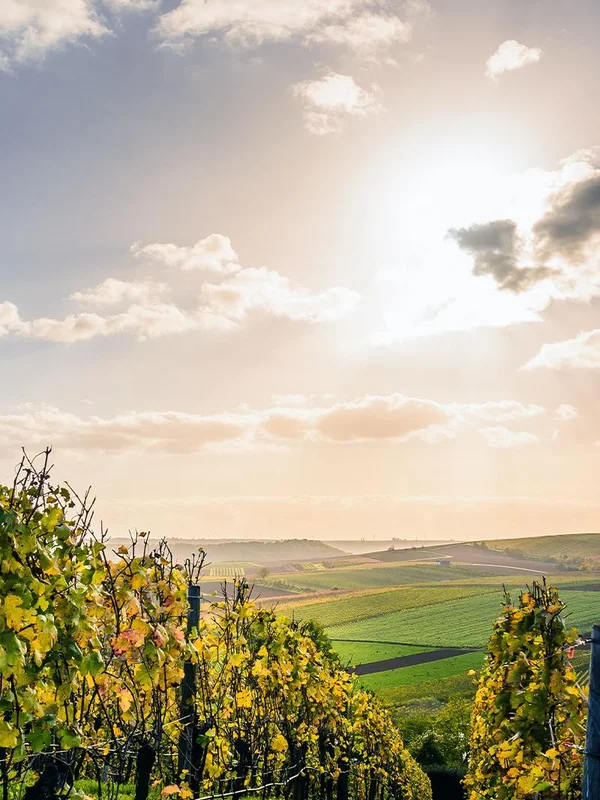
Haton
“Champagne Haton is one of the most deeply rooted family houses in the Champagne region, with viticultural origins dating back to 1610 when François Haton acquired the first parcels in Damery under the reign of Louis XIII. However, it was in 1928 that Octave Haton truly established the winery as a producing estate, beginning to vinify his own champagnes and setting the foundation for the house as we know it today. Under the stewardship of his heir René Haton, the house experienced a remarkable rise in the 1970s, and today it is Jean-Noël Haton and his son Sébastien — the third and fourth generations — who lead production across 60 hectares of vineyards, 45 of which are family-owned, spread across six emblematic villages in the Marne Valley: Damery, Hautvillers, Cumières, Boursault, Fleury la Rivière, and Vauciennes. The philosophy of the house follows the motto of founder Octave Haton: "Perfection requires mastery of every detail. It is the expression of the whole that makes an exceptional Champagne." Guided by this principle, Jean-Noël and Sébastien work with traditional and meticulous methods: respect for the soil, controlled yields, pursuit of optimal ripeness, and parcel-by-parcel vinification, always driven by a quest for excellence. Among their most celebrated cuvées is the Cuvée Classic, crafted from 60% Pinot Meunier and 40% Pinot Noir, offering aromas of red currant, stone fruits, and citrus; and the Cuvée Réserve, which blends all three Champagne varieties into a harmonious expression featuring white peach, orange blossom, and hazelnut. The range is completed by an elegant Blanc de Blancs from 100% Chardonnay, a Rosé, the Noble Vintage, and the Brut Intense Extra. Their Brut Reserve has earned 91 points from Wine Spectator, and the house has accumulated international recognition including silver medals at the Champagne & Sparkling Wine World Championships and the International Wine Challenge, firmly establishing Haton as a benchmark for timeless, characterful champagne.”
Explore Collectionarrow_forward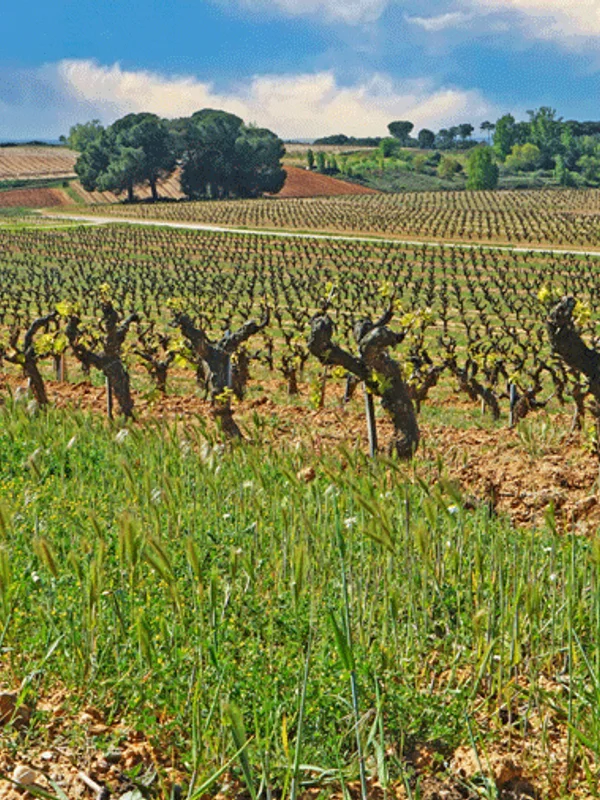
Hermanos Pérez Pascuas
“Bodegas Hermanos Pérez Pascuas, also widely known as Viña Pedrosa, stands as one of the most respected and enduring references in the Ribera del Duero Denomination of Origin. Founded in 1980 by brothers Benjamín, Manuel and Adolfo Pérez Pascuas in Pedrosa de Duero (Burgos), the winery was built upon the vineyards lovingly tended by their father, Mauro Pérez, throughout his entire life. Just two years after its establishment, in 1982, the brothers were among the small founding group of wineries that established the Ribera del Duero DO itself, a testament to their pioneering role in the region's history. Hermanos Pérez Pascuas is a fully independent family winery, now led by the second generation, which has preserved the founding spirit intact. The estate works exclusively with its own vineyards—135 hectares planted predominantly with Tinta del País (Tempranillo, 90%) and a small portion of Cabernet Sauvignon (10%)—producing 500,000 bottles annually. In 2024, the winery achieved organic vineyard certification, reflecting a deep commitment to environmental stewardship. From the very beginning, Pérez Pascuas adopted a resolutely classical winemaking philosophy: indigenous yeasts, extended macerations, malolactic fermentation in barrel, and bottling without fining or filtration. The result is a distinctive style of wines with elegant rusticity and remarkable aging potential. The winery's portfolio spans four labels: Cepa Gavilán, Finca La Navilla, Viña Pedrosa and Pérez Pascuas Gran Selección. This last wine, produced only in exceptional vintages from 70-year-old vines at the Pago Valtarreña—originally planted by grandfather Mauro Pérez—is consistently cited among Spain's finest reds. The Viña Pedrosa Gran Reserva and the single-vineyard Finca La Navilla complete a lineup of undisputed benchmark wines. Their reputation extends far beyond Spain: their wines are distributed in over 50 countries, and Wine & Spirits magazine recognized them as one of the world's 100 best wineries in 2013, while also naming them Winery of the Year in 2014.”
Explore Collectionarrow_forward
Hijos de Antonio Barceló
“Hijos de Antonio Barceló is a historic Spanish wine company with roots dating back to 1876, when Antonio Barceló founded the enterprise in Málaga. Over more than a century of history, the group has evolved into one of the most diversified wine structures in Spain, with a presence in some of the country's most prestigious appellations. In the Valdeorras Denominación de Origen, the group's activity is expressed through the El Aeronauta label, a project that reflects the company's commitment to the authentic expression of the Galician terroir. Valdeorras, nestled in the interior of Galicia and crossed by the Sil River, is one of the most distinctive wine regions in northwestern Spain, renowned especially for its Godello whites and Mencía reds grown on slate soils that lend a characteristic minerality and aromatic depth rarely found elsewhere. The group also has a presence in other iconic appellations, including Ribera del Duero under the Secreto label, Rueda with Donas 1265, and the Jerez region, reflecting a multi-regional philosophy centred on the diversity of terroirs and the pursuit of quality in each denomination according to its own distinct criteria. In 2021, the company was renamed Entrecanales Domecq e Hijos following the consolidation of control by this family, marking a new chapter in the group's history without abandoning the legacy built over nearly a century and a half. The winery maintains its commitment to crafting wines that faithfully express their origin, combining tradition and modern winemaking technique in the service of the land.”
Explore Collectionarrow_forward
Maison Trénel
“Maison Trénel is one of the most iconic wine houses in southern Burgundy, founded in 1928 by Henri Claudius Trénel in Charnay-les-Mâcon. For nearly a century, the maison has upheld an unwavering philosophy: to craft honest wines that faithfully express the character of each plot and the authenticity of its terroir. In 2015, Maison Trénel was acquired by Michel Chapoutier, the renowned winemaking family from the Rhône Valley, becoming part of the Chapoutier group. Under this new stewardship, the maison has deepened its artisanal commitment and its attention to the nuances between individual vineyard sites, bringing its wines to ever greater heights of international recognition. Trénel's work focuses on the Gamay and Chardonnay varieties, the defining grapes of southern Burgundy and northern Rhône. The house is an undisputed reference in Beaujolais, producing no fewer than seven of the ten recognised Beaujolais Crus. Among its most celebrated wines is the Crémant de Bourgogne, sourced from the subregion where Chardonnay finds its finest expression, with a ageing period three times longer than required by the appellation rules. The portfolio also includes Saint-Véran, Mâcon-Charnay Clos de Champgrenon, Viré-Clessé and Morgon, covering a broad spectrum of Burgundian appellations. Beyond its wines, Trénel is also renowned for its artisanal production of Burgundy fruit liqueurs, most notably an exceptional IGP Crème de Cassis widely regarded as one of the finest in the world. Authenticity of fruit, respect for the vineyard and pure expression of origin are the guiding principles behind every wine crafted at Maison Trénel, making it an essential reference for lovers of great Burgundy and Beaujolais.”
Explore Collectionarrow_forward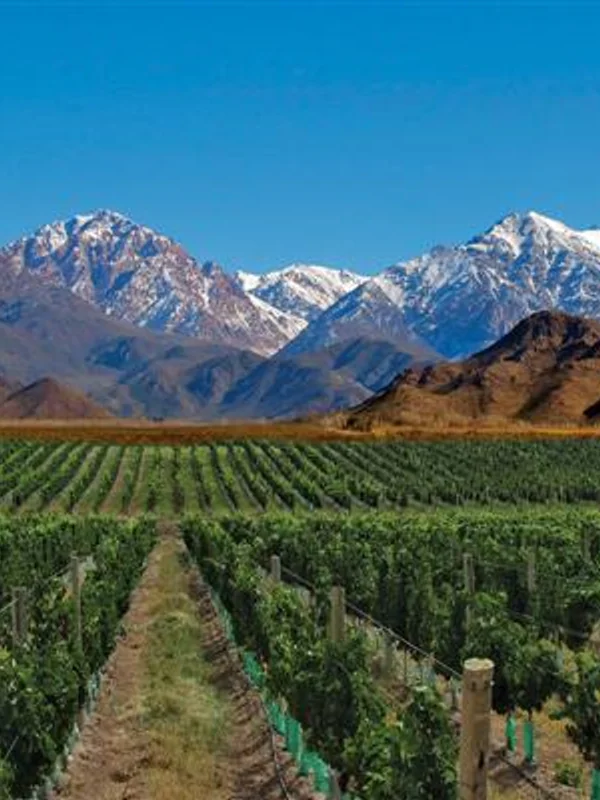
María Lorine Bombal
“Maleante is an Argentine wine project founded in 2014 with a clear and disruptive vision: to offer wines with a distinctive identity tailored for both by-the-glass service in restaurants and retail channels, always with an outstanding quality-to-price ratio. The project was born from the refurbishment of a historic boutique winery in Chacras de Coria, Mendoza, formerly known as 'La Misión', whose infrastructure dates back to the early twentieth century. The inaugural production yielded 12,000 bottles of a Bonarda blend from San Martín combined with Malbec from the Uco Valley — a modest yet promising start that quickly exceeded market expectations. The commercial success of those early vintages prompted the winery to reinvest in branding and packaging. In January 2016, Maleante launched its Malbec made from 100% Uco Valley grapes, strengthening its positioning within this emblematic Mendoza appellation. By the end of that same year, the winery redefined its portfolio with the release of the Terroir Series, a single-vineyard collection featuring Malbec from San José de Tupungato, Malbec from Vistaflores, and Cabernet Franc from Vistaflores, showcasing the diverse microclimates of the Uco Valley. Maleante's philosophy deliberately moves away from the classic stereotypes of traditional wine communication. The winery targets a younger, curious audience by combining genuine quality with a contemporary aesthetic and a bold brand attitude. Its current range includes Malbec, Cabernet Sauvignon, and Sauvignon Blanc, all terroir-driven and crafted from Uco Valley grapes — one of Argentina's most celebrated wine regions, renowned for high-altitude vineyards and significant diurnal temperature variation that lends elegance and freshness to the wines.”
Explore Collectionarrow_forward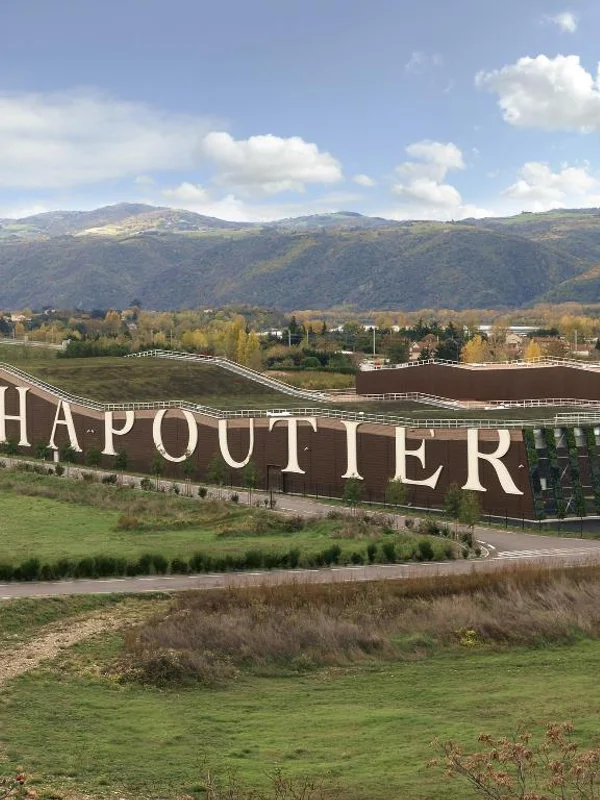
Mathilde Selection
“Mathilde Chapoutier Sélection is the personal project of Mathilde Chapoutier, the eighth generation of the legendary family that has been producing benchmark wines in the Rhône Valley since 1808. Rather than sheltering under the family winery's reputation, Mathilde chose to forge her own path to Provence, where she fell in love with the vineyards at the foot of the Sainte-Victoire mountains and acquired the Grand Ferrage estate, giving rise to a range of wines that blends family excellence with a fresh and contemporary vision. Her philosophy is clear: wine is the fruit of pleasure, a permanent exploration and a journey never completed. Educated in business administration in China, Mathilde brings that spirit of discovery to every bottle, reflected in the compass she designed herself for the labels — a symbol of the unbreakable bond between wine and travel. In the terroir of AOC Côtes de Provence, the vines are farmed organically and harvested at night to preserve the natural balance of the grapes. The fruit is quickly transported to the winery, where it is cold-fermented in stainless steel tanks after a brief cold skin maceration and direct pressing — a technique that ensures maximum aromatic expression in her rosés. Among her most notable cuvées are Orsuro, named after the cold northeastern winds that blow through Bouches-du-Rhône — known in Provençal as Orsuro, a tribute to the Great Bear — and Sainte-Victoire Grand Ferrage, a blend of Grenache, Syrah and Cinsault from plots with poor limestone and clayey sandstone soils, belonging to the Côtes de Provence Sainte-Victoire sub-appellation. Her wines have earned one star in the Guide Hachette des Vins and received favourable recognition at the International Wine Challenge. A project championing a hedonistic, Mediterranean and gastronomic wine culture, ideal for enjoying in good company.”
Explore Collectionarrow_forward
Muriel Wines
“Muriel Wines is a distinguished Spanish wine group with deep roots in the country's winemaking heritage, tracing its origins back to 1926, when José Murúa founded the first winery in Elciego, in the heart of La Rioja. Decades later, in 1986, his son Julián expanded the legacy by establishing Bodegas Muriel, laying the foundation for what has grown into one of Spain's most significant wine groups. Today, Muriel Wines stands at the centre of an ambitious portfolio encompassing multiple brands and wineries across some of Spain's most prestigious denominations of origin. In Rioja DOCa, the group includes Bodegas Muriel, Bodegas Eguía and Marqués de Elciego, among others. Beyond Rioja, the group also operates a winery in Ribera del Duero DO and, for lovers of Atlantic whites, Pazo Cilleiro in the DO Rías Baixas — its showcase for high-quality Albariño wines. In total, the group manages 11 brands and maintains an active presence in over 50 countries, with exports accounting for 80% of total production, reflecting an extraordinary commitment to international markets. The group's philosophy is rooted in the balance between winemaking tradition and an innovative spirit. As Muriel Wines itself expresses, the secret lies in adapting to the ever-changing world of wine without losing the essential character that defines each terroir. In Rioja, Bodegas Muriel is particularly celebrated for its elegant, complex Reserva wines with excellent ageing potential. In Rías Baixas, Pazo Cilleiro reveals a very different side of Spain through Albariños with a distinct Atlantic influence — fresh, vibrant and expressive. Muriel Wines ultimately embodies Spain's remarkable ability to speak to the world through multiple territories and wine styles, consistently delivering quality recognised at the most discerning tables.”
Explore Collectionarrow_forward
Nidia
“Bodegas Nidia is a small family-run project located on the La Cabaña estate in Medina del Campo (Valladolid), within the Rueda Denominación de Origen. The vineyard's history dates back to 1988, when the family committed to viticulture on this property. However, it was not until 2010 that young winemaker Daniel Torío began commercially producing wines under the Nidia label, driven by his belief in the exceptional potential of the family's vines. The La Cabaña terroir is a defining element: clay soils with the presence of rounded pebbles and high calcium content, situated close to the Adaja River at an altitude of over 770 metres. The continental climate, with significant diurnal temperature variations, combined with vineyards planted during the 1980s and 1990s and tended with meticulous care over the decades, provides the outstanding raw material that shapes every Nidia wine. The philosophy at Nidia is clear and uncompromising: to craft special, authentic, and 100% varietal wines. In the winery, tradition is combined with the latest technological advances, favouring slow fermentations of approximately 20 days at controlled temperatures between 14 °C and 15 °C, to preserve the full fruity character and varietal expression of each vintage. Among the most celebrated wines is Nidia de Guarda, a 100% Verdejo aged on its lees from vines over 30 years old, conceived to showcase the ageing potential of great white wines on a world stage. The range also includes a fresh Verdejo, Sauvignon Blanc, and reds from Merlot and Cabernet Sauvignon. The 2011 vintage firmly established Nidia as one of the finest and most consistent boutique Verdejo producers in Spain, with wines admired for their vibrant aromatic profile, offering orchard fruit and citrus notes intertwined with clean mineral character. A benchmark producer for lovers of Rueda Verdejo at its most expressive.”
Explore Collectionarrow_forward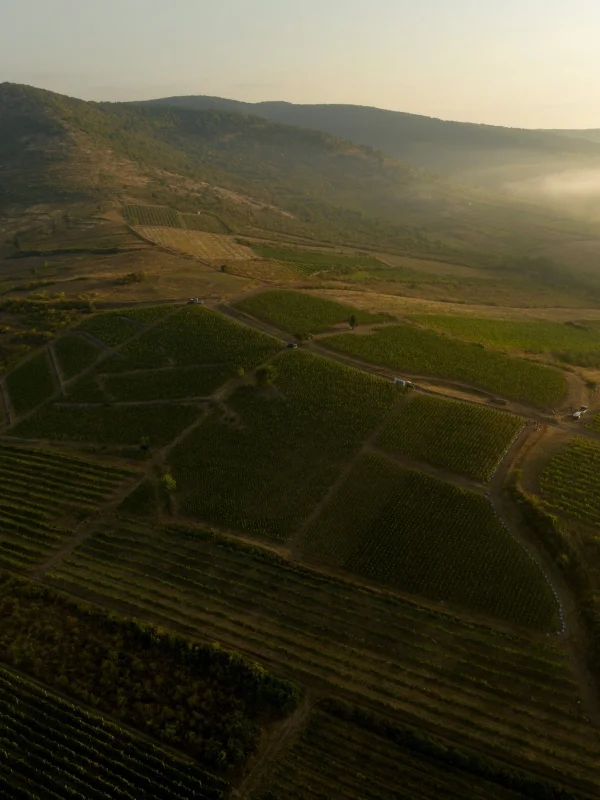
Oremus Tokaji (Hungria)
“Oremus Tokaji is one of the most iconic wineries in the Tokaj region of northeastern Hungary, nestled amid the Zemplén Mountains near the Ukrainian border. While wine production at the Oremus vineyard dates back to 1620, and a medieval document from June 16, 1462 constitutes the earliest written reference to its vineyards, the winery in its current form was established in 1993 when the Álvarez family — owners of the legendary Vega Sicilia estate in Spain — acquired these lands and embarked on an ambitious project of restoration and modernization. The name «Oremus» derives from Latin, meaning «let us pray», reflecting the spiritual reverence that has historically surrounded these extraordinary wines. The Álvarez family has masterfully balanced the centuries-old tradition of one of the world's most revered wines with technological advancement. Their thorough study of local production methods and deep respect for tradition are evident in the construction of the new winery and in every stage of the winemaking process. The stated goal at Oremus is to produce Tokaji wines of elegance and balance, always seeking a perfect harmony between sweet fruit and the natural acidity that defines this appellation. The estate encompasses 33 hectares of vineyard planted predominantly with Furmint, the flagship variety of Tokaj, alongside Hárslevelü, Sárga Muskotály, Zéta, Kövérszolo, and Gohér. The winemaking process follows the traditional formula of the region: the botrytised Aszú and Eszencia wines undergo slow fermentation and years of ageing in small barrels within the ancient underground cellars of the estate. The range includes Aszú wines from three to six puttonyos, Eszencia, Late Harvest, and single-vineyard dry whites such as Mandolás and Petrács. The Tokaj Hegyalja region was designated a UNESCO World Heritage Site in 2002, and as early as 1772, in the world's first vineyard classification, Oremus was ranked PRIMAE CLASSIS. Its wines enjoy broad international critical acclaim and consistently high scores in specialist publications.”
Explore Collectionarrow_forward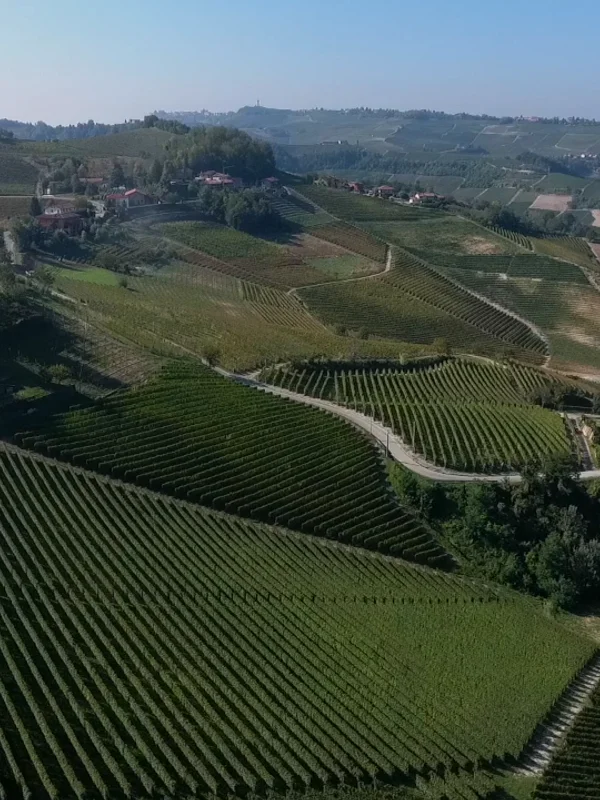
Parusso (Marco Parusso)
“Parusso is a family winery from Piedmont, Italy, with roots dating back to 1901, when Gaspare Parusso, great-grandfather of the current generation, purchased his first vineyard in the Mariondino parcel in the village of Castiglione Falletto. In 1925, the family expanded their estate with the Rovella farmhouse in the Bussia area of Monforte d'Alba, placing them at the very heart of Piedmontese wine production. The first commercial label was released in 1971 under Armando Parusso's direction. In 1990, his children Marco and Tiziana, trained at the prestigious Alba wine school, formally founded Parusso Armando di Parusso Fratelli, bringing a new dimension of technical precision and territorial sensitivity to the family tradition. Parusso's winemaking philosophy is rooted in a deep respect for the land and nature. The family practices meticulous micro-zoning of their soils, adapting fertilization and pruning methods to the specific characteristics of each individual parcel. Vinification revolves around two fundamental stages: achieving full grape maturity in the vineyard and refining the wines in contact with their natural yeasts, resulting in wines of great expressiveness and authenticity. Nebbiolo is the winery's signature grape variety and the truest expression of the Parusso style. From it come the Langhe DOC Nebbiolo, an elegant and approachable wine enjoyable from its earliest months in bottle, and the Barolo DOCG Perarmando, as well as three prestigious Barolo single-vineyard Crus: Bussia, Mosconi, and Mariondino, each a faithful interpreter of its own terroir. The portfolio is completed by Dolcetto d'Alba DOC Piani Noce, Barbera d'Alba DOC Ornati, Langhe DOC Bianco, and Langhe DOC Sauvignon Blanc Rovella. The estate covers 28 hectares and produces 150,000 bottles annually, of which 55,000 are Barolo.”
Explore Collectionarrow_forward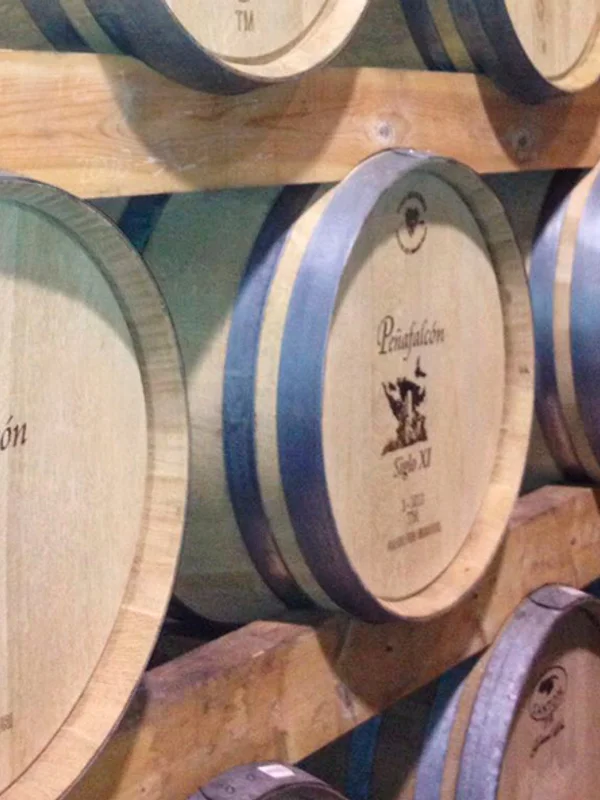
Peñafalcón
“Bodegas Peñafalcón is an independent family winery located in Peñafiel, in the heart of the Ribera del Duero Denomination of Origin. Officially founded in 2000 by Casimiro and his wife María José Arranz, the winery draws on a generational legacy stretching back to the 17th century, when their ancestors were already crafting wine in traditional stone cellars in the region. The name Peñafalcón itself is a journey into the medieval past: historical records show that the village bore this name in the 11th century before becoming known as Peñafiel. The toponym, meaning «rock with a falcon perched at its summit», perfectly encapsulates the spirit of a winery deeply proud of its land and heritage. Peñafalcón's winemaking philosophy is rooted in a profound respect for the land and for traditional cultivation methods. From its very beginnings, the winery has embraced organic viticulture: rows are worked by hand, herbicides are entirely avoided, and sheep manure is used as a natural fertilizer. This unwavering commitment to the environment yields exceptional-quality grapes from privileged vineyard plots such as Santa Cruz, Carraovejas and Blanqueras, where Tempranillo, Cabernet Sauvignon and Merlot are cultivated. Among its most acclaimed wines is the Peñafalcón Siglo XI range, which includes the Crianza aged 24 months in barrel, the Reserva aged 36 months, and the exclusive Gran Reserva with up to five years of ageing. These wines express the unique personality of the Ribera del Duero terroir and the artisanal passion with which Casimiro and his family carry on a centuries-old tradition. International recognition speaks to the quality of their wines: Bodegas Peñafalcón has accumulated more than 56 Super Gold and Gold awards in national and international competitions, including the Gran Oro Internacional, the Catavinum World Wine Spirits Competition and the International Wine Guide. Over 70% of production is exported to markets across Europe, Asia and the United States.”
Explore Collectionarrow_forward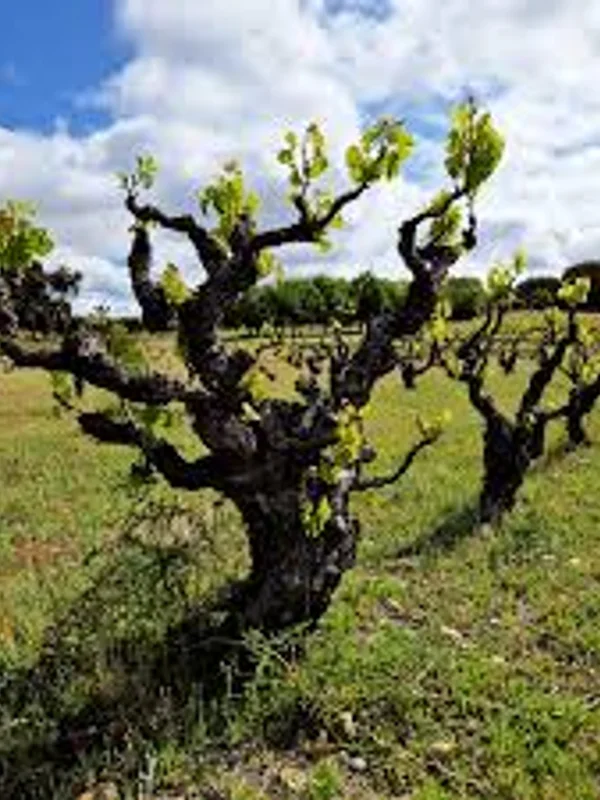
Rafael García y Raúl Tamayo
“Rafael García y Raúl Tamayo is a small yet highly ambitious winery project founded in 2011 in Nava de Roa, in the heart of the Ribera del Duero Denomination of Origin. Its two creators, devoted viticulturists and winemakers, chose to work with family-owned vineyards to build an artisanal estate guided by a minimalist philosophy. From the very beginning, both partners took full hands-on responsibility for every task in the vineyard and the cellar, giving the project a level of authenticity and coherence that is truly rare. The winery's viticultural patrimony is modest yet extraordinarily precious: just 4 hectares spread across 9 tiny plots, planted at altitudes ranging from 750 to 830 metres above sea level. Among these small treasures stands Acediano, a vineyard over 70 years old that embodies the full depth and memory of the terroir. The extreme continental climate, with sharp temperature contrasts between day and night, encourages a slow ripening process that yields wines of great freshness, balance and varietal character, with Tinta Fina — Tempranillo — as the leading grape. The winemaking philosophy rests on minimal intervention, both in the vineyard and in the cellar, with the aim of preserving the biodiversity of the vines and faithfully expressing the soils and environments in which the grapes are grown. Oak plays a secondary role, used solely as a refining element, always allowing the fruit and the primary expression of the terroir to take centre stage. Production is limited to approximately 17,000 bottles, distributed across their main wines: Naluar, Naluar El Espaldón and Acediano. The latter has garnered extraordinary international acclaim, earning scores such as 96 from Tim Atkin, 96 from Peñín, 95 Parker points and 17.5 from Jancis Robinson, establishing itself as one of the most exciting references in contemporary Ribera del Duero.”
Explore Collectionarrow_forward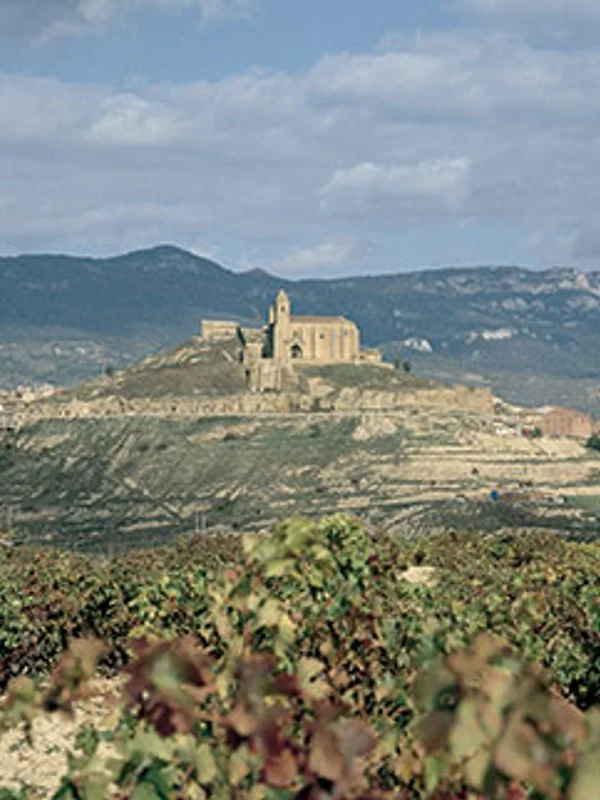
Sierra Cantabria
“Bodegas Sierra Cantabria stands as one of the most acclaimed and respected wineries in the Denominación de Origen Calificada Rioja. Founded in 1957 by Guillermo Eguren in San Vicente de La Sonsierra, the winery's roots run even deeper: the Eguren family has been cultivating vineyards in Rioja Alavesa since the 1870s, accumulating more than five generations of winemaking heritage. For decades, the family sold their grapes to local producers, until Guillermo recognised the extraordinary potential of their vineyards to craft world-class wines under their own label. Today, the fourth generation leads the project with conviction: Marcos Eguren serves as head winemaker and operations director, while his brother Miguel Ángel Eguren acts as general manager. Their philosophy is clear and unwavering: to be growers first. All grapes come exclusively from estate-owned vineyards, with no purchased fruit, and the family's guiding principle is to give back to the land everything it has provided across generations. Sierra Cantabria's style embodies a modern vision of Rioja: wines in which fruit and intensity take centre stage, with oak playing a refined, secondary role. Among their most iconic labels are Amancio, El Bosque, Organza, Colección Privada, Cuvée, Mágico and CVC, the latter positioned at the luxury end of the market. International recognition confirms the winery's excellence: numerous wines score above 90 points from Robert Parker; La Nieta 2016 received 99 points in the Guía Peñín 2020; James Suckling awarded 100 points to Sierra Cantabria Mágico 2016; and winemaker Marcos Eguren was named 'Winemaker of the Year' by critic Tim Atkin in his Special Report Rioja 2023. The Eguren family's wines are also known for supplying the Spanish Royal Family. The Eguren Group also operates in Toro and Vinos de la Tierra de Castilla, cementing its position as one of the most ambitious winemaking projects in Spain.”
Explore Collectionarrow_forward
Tenuta delle Terre Nere (Marco de Grazia)
“Tenuta delle Terre Nere is a benchmark winery on the volcanic slopes of Mount Etna, founded in 2002 by Marco de Grazia following the acquisition of a 45-hectare estate. Although his first investments in Etna's volcanic soils date back to the late 1990s, it was in 2004 that the winery achieved full self-sufficiency, vinifying the estate's grapes in its own cellar for the first time. Marco de Grazia, who had previously played a pivotal role in Barolo's rise to international fame, brought his pioneering vision to Sicily, becoming one of the first producers to recognise the potential of these long-forgotten terroirs and to place Etna on the map of the world's finest wines. The winery's philosophy revolves around viticultural excellence: in Etna's extreme climate, meticulous attention to the vineyard is the key to achieving optimal and consistent ripening. Viticulture is fully organic—certified since 2010—using only Bordeaux mixture and organic fertilisation. In the cellar, the approach is classic and Burgundian in style: maceration-fermentation lasting 10 to 15 days, malolactic fermentation, and ageing in oak with 25% new barrels, with bottling around 18 months after harvest. Marco de Grazia himself defined Etna as the «Burgundy of the Mediterranean» and adopted the Burgundy-shaped bottle as a mark of identity. Tenuta delle Terre Nere produces around 70 micro-vinifications of Nerello Mascalese and 25 of Carricante, sourced from nine Contrade—the individual crus of the Etna DOC—including Calderara Sottana, San Lorenzo, Santo Spirito, Feudo di Mezzo and Guardiola. Its most iconic cuvée, Etna Rosso «Prephylloxera – La Vigna di Don Peppino», is produced from century-old vines over 140 years old trained in traditional espalier. Today, its 15 wines are exported to 95 countries, with the United States as the primary market, cementing the winery's status as an international reference point for the Etna DOC appellation.”
Explore Collectionarrow_forward
Tierra Prometida
“Tierra Prometida is a remarkable wine project born from the collaboration between two passionate and complementary figures: Antony Terryn, founder of Dominio del Bendito in Toro in 2004 and an avid seeker of extraordinary vineyards, and José Manuel, a forestry engineer who in 2011 returned to university to complete a Master's degree in Oenology in La Rioja. Their meeting gave rise to a joint venture with El Hato y el Garabato, aimed at revealing the true potential of the Arribes Denominación de Origen, one of the most singular and authentic wine regions on the Iberian Peninsula. The estate is located in the upper part of the Duero canyon, at an altitude of 750 metres above sea level, on very poor granitic sandy soils with quartz inclusions. This demanding environment, combined with a climate slightly milder than that of the Castilian plateau, provides ideal conditions for producing wines of great character and expressiveness. Production is deliberately limited: a maximum of three bunches per vine is permitted, guaranteeing exceptional concentration and quality in every bottle. The leading varieties are the indigenous Bruñal and Juan García, complemented by Garnacha and small contributions of Syrah, a variety that adds freshness and an international touch. The harvest is entirely manual, with rigorous bunch selection carried out in the vineyard. After fermentation, the wines are aged for ten months in used French oak barrels of 225 and 500 litres, allowing a gradual evolution without masking the identity of the terroir. The philosophy of Tierra Prometida can be summed up as embracing tradition while remaining open to innovation: respecting the viticultural legacy of Arribes while incorporating external techniques and perspectives that enrich the final result. The wines stand out for their elegance, aromatic complexity, and a genuinely Atlantic-granitic character that sets them apart within the Spanish wine landscape.”
Explore Collectionarrow_forward
Vilarnau
“Vilarnau is a winery with deep roots in the Penedès region, whose history dates back to the 12th century, when the Vilarnau family settled in the area cultivating vineyards within the demarcation of the Castle of Subirats. However, it was in 1949 that the first Vilarnau-labelled cava was born, commercialising the sparkling wine produced at the estate known as «Can Petit i Les Planes de Vilarnau». In 1982, the winery joined the González Byass group, one of the leading names in the Spanish wine industry, and currently operates as an independent economic unit within the group. The estate covers 20 hectares of vineyards, where native varieties such as Macabeo and Xarel·lo predominate, complemented by Chardonnay and Pinot Noir. In October 2005, a state-of-the-art winery designed by architect Luis González was inaugurated at the heart of the estate. Environmental responsibility is a cornerstone of Vilarnau's identity: all its vineyards and wines are 100% organic, and the winery holds the Wineries for Climate Protection (WfCP) certification from the Spanish Wine Federation. Among its most celebrated wines, the Vilarnau Brut Reserva stands out, having been recognised as «Best Cava» and «Best Spanish Sparkling Wine» at The Champagne & Sparkling Wine World Championships, as well as earning a gold medal at the Ecovino Awards organised by the University of La Rioja. The Vilarnau Rosé Delicat received the prestigious Premio Alimentos de España for Best Wine 2021, was named «Best Organic Cava» and «Best Rosé Cava» at the same international competition, and was selected as the official cava of the Laureus World Sports Awards 2025. The Albert de Vilarnau range offers gran reserva cavas with over 30 months of artisanal ageing, while Els Capricis de Vilarnau showcases Xarel·lo fermented in 250-litre chestnut barrels. All cavas are protected under the Cava Denomination of Origin.”
Explore Collectionarrow_forward
Viyuela
“Bodegas Viyuela is a family winery located in Boada de Roa, in the heart of the Ribera del Duero Denominación de Origen. Although the family has been cultivating vineyards since the early 19th century, it was in 2003 that José Ángel González Viyuela took the decisive step of building a modern winery to fully express the potential of his terroir and viticultural heritage. Today, the general management is led by his daughter, Laura González Sainz, reinforcing the family and generational character of the project. The winery works exclusively with the Tempranillo variety, grown across 23 hectares of estate vineyards and an additional 10 hectares under controlled management. All harvesting is done by hand, with rigorous grape selection both in the vineyard and in the cellar, ensuring the highest quality raw material. The winemaking approach is guided by vine age: the oldest parcels yield wines destined for longer ageing and greater complexity, while younger vines produce fresher, more approachable expressions. All wines spend time in Bordeaux-style oak barrels for varying periods, adding structure and elegance. Annual production stands at around 150,000 bottles, divided into two clearly defined ranges: the Classic line — comprising Viyuela Barrica, Viyuela Crianza and Viyuela Reserva — and the Signature line, with more prestigious references such as Viyuela 3+3, Viyuela 10 and Viyuela Xº Aniversario. International recognition has consistently validated the winery's trajectory: outstanding scores from critics including James Suckling, Tim Atkin and Decanter, and in 2019 Mundus Vini named it the best winery in Ribera del Duero. The Gran Reserva 2016 earned a Grand Gold at that same competition, alongside the Best of Show award in the Gran Reserva category for the appellation.”
Explore Collectionarrow_forward
Viña Eguía (Muriel Wines)
“Viña Eguía is a winery with roots in Elciego, in the heart of Rioja Alavesa, whose origins date back to 1926, though the current structure was established in 1973. In 2010, the Murúa family, owners of the Muriel Wines group, acquired the assets of Marqués de Arienzo in Rioja, including the Viña Eguía brand, which was given a completely renewed image and concept. Today, Viña Eguía is part of a group that also includes Bodegas Muriel, Marqués de Elciego, Conde de los Andes, Pazo Cilleiro (D.O. Rías Baixas), and Real Compañía de Vinos. The winery's name draws inspiration from the Basque word "egia", meaning "truth" — a concept that underpins its entire philosophy: open, direct, modern, and genuine wines crafted for the broadest possible audiences. This commitment to honesty is reflected in its visual identity, featuring a hand in a pledge gesture over a label shaped like an open book. Viña Eguía manages over 1,100 hectares of vineyards — 400 estate-owned and 700 under its supervision — spread across the three sub-zones of D.O.Ca. Rioja: Rioja Oriental, Rioja Alta, and Rioja Alavesa, working with 11 grape varieties across reds and whites, with 60 hectares currently in conversion to organic farming. Its core range includes a Crianza, a Reserva, and a Gran Reserva that are mainstays of the Spanish domestic market, alongside a Blanco made from Viura, a Rosado from Tempranillo and Garnacha, and wines from other appellations including D.O. Rías Baixas, D.O. Ribera del Duero, D.O. Rueda, and a Godello from Castilla y León. Viña Eguía stands out for its outstanding quality-to-price ratio, with international critics such as James Suckling recognising its wines as serious contenders in the modern, accessible Rioja category.”
Explore Collectionarrow_forward
Wachisnais
“Wachisnais is a small artisan family project born in the heart of Ribera del Duero, in the little Castilian village of Pedrosa de Duero, Burgos. Created by three friends — Paco, Noe, and Juan Pablo, under the MN Vinos umbrella — Wachisnais was born from a shared passion for authenticity, craftsmanship, and above all, vermouth. The name captures the festive, community spirit of aperitif culture in the villages of Castile: that beloved Sunday ritual of gathering for vermouth after mass, a simple yet deeply rooted social tradition that the founders decided to transform into a form of art. The philosophy behind this small winery is to blend the elegance of simple things with the authenticity of artisan production. To achieve this, they work with grape varieties native to their surroundings — Tinto Fino, Albillo Mayor, and Verdejo — macerating up to 37 carefully selected botanicals to create complex and distinctive profiles. Among their most notable expressions is Vermut Wachisnais Tintorro, a semi-dry vermouth with a deep mahogany colour and notes of ripe fruit, spices, citrus, cocoa, coffee, and caramel — a well-rounded and characteristic expression of Ribera del Duero. Wachisnais Pedrosini, on the other hand, is a personal interpretation of the classic Italian white vermouth with a nod to its Castilian roots: pale amber in colour with a refined, spiced and citrus-driven profile. Rounding out the range is Wachisnais Celestial, a special edition of the Tintorro aged for nine months in barrel and blended with the sweet liqueur wine Rita Hetvin, resulting in a vermouth of remarkable complexity, elegance, and personality. Wachisnais is, in essence, an honest project that champions vermouth as a cultural and gastronomic expression of a territory, crafted with care and the conviction that the greatest pleasures are also the simplest ones.”
Explore Collectionarrow_forwardJoin the Private Selection
Receive invitations to exclusive tastings and limited vintage launches directly from our partner wineries.